
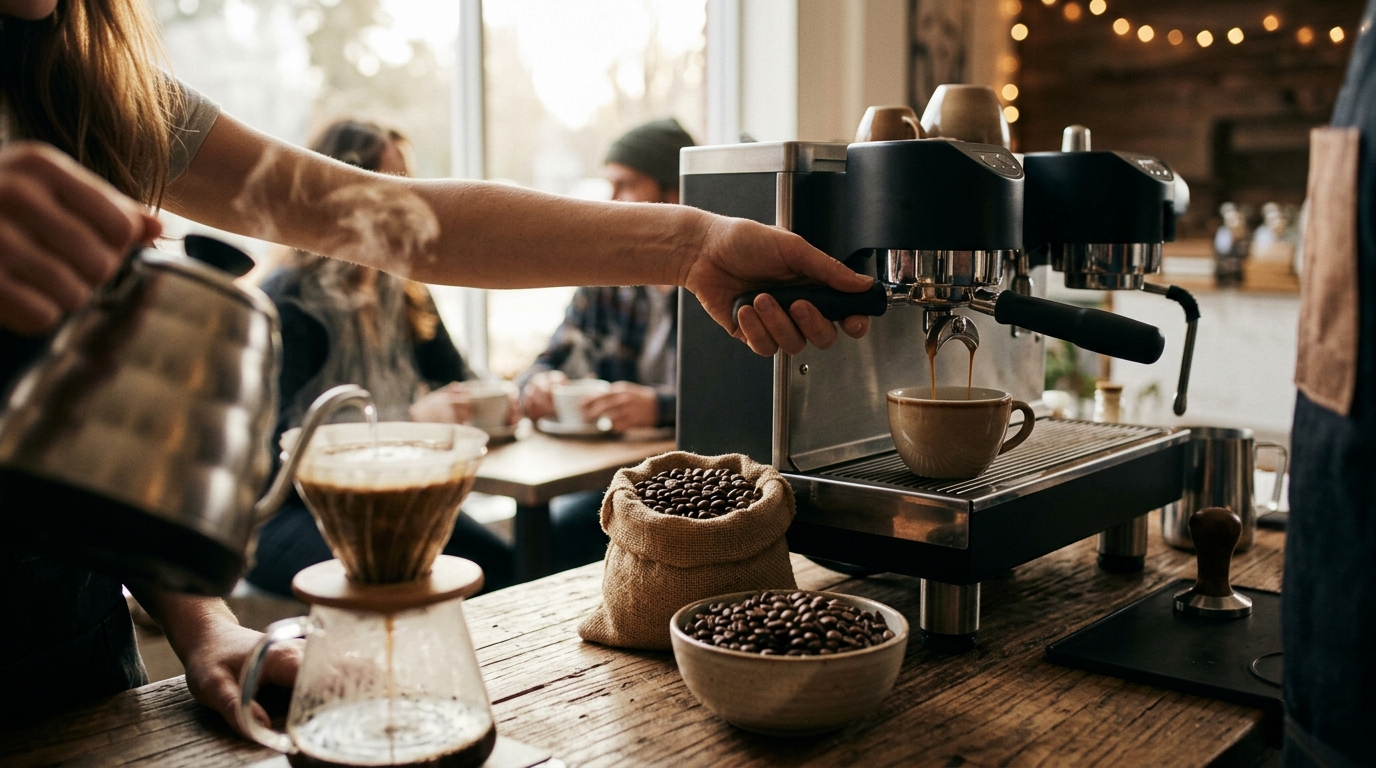
The first cup of the day deserves exceptional coffee, and choosing the right beans for your brewing method is the critical starting point. Best selling coffee options often vary significantly based on whether you are pulling a concentrated shot or brewing a clean, aromatic cup. At Harlo Coffee Roasters, we believe that the origin, roast profile, and grind size dictate the final flavor experience. This guide explores how to select the perfect beans for both espresso and pour over techniques to elevate your morning ritual.
Understanding Espresso Bean Requirements
Espresso is a high-pressure extraction method that demands specific bean characteristics to produce a balanced shot with crema. The best coffee beans for espresso are typically roasted to highlight body and sweetness, ensuring they can withstand the intense pressure without becoming overly acidic or bitter. According to coffee science research, the chemical structure of the bean must allow for proper emulsification of oils under pressure.
When selecting beans for espresso, look for a roast profile that complements the concentration. Darker roasts often provide the chocolatey, nutty notes that stand up well to milk, while medium roasts can preserve the bean's inherent fruitiness. Harlo Coffee Roasters crafts small-batch roasts in Los Angeles to ensure freshness, which is vital for espresso because stale beans lose the carbon dioxide needed for crema formation.
Why Freshness Matters for Espresso
Freshly roasted coffee retains volatile compounds that create aroma and flavor. For espresso, beans are typically used within two to four weeks of roasting. If you buy beans that are too fresh, they may release too much CO2, causing channeling in your portafilter. If they are too old, the extraction will be flat and sour. Recent studies on coffee chemistry confirm that degassing rates vary by origin, making timing crucial for optimal extraction.
Selecting Beans for Pour Over
Pour over brewing is a manual method that highlights the clarity and complexity of a coffee bean. The best coffee beans for pour over are usually single origin varieties that showcase unique terroir characteristics. Unlike espresso, which blends beans to create a consistent profile, pour over allows the distinct flavors of a specific region to shine through.
Single origin coffee is more than a place on a bag. It represents the specific geography, altitude, and processing method of the harvest. As noted in our blog on single origin coffee, Ethiopian beans often present floral and citrus notes, while Colombian beans offer balanced caramel and nutty profiles. These distinct flavors are best appreciated in a pour over brew where the water flow can be controlled to extract these delicate compounds.
Grind Size and Water Temperature
The grind size for pour over is typically medium, resembling sea salt. This allows water to pass through at a controlled rate, extracting sugars and acids evenly. Data from World Coffee Days indicates that water temperature between 195 and 205 degrees Fahrenheit is optimal for extracting the full spectrum of flavors without over-extracting bitter compounds.
Single Origin vs. Blends
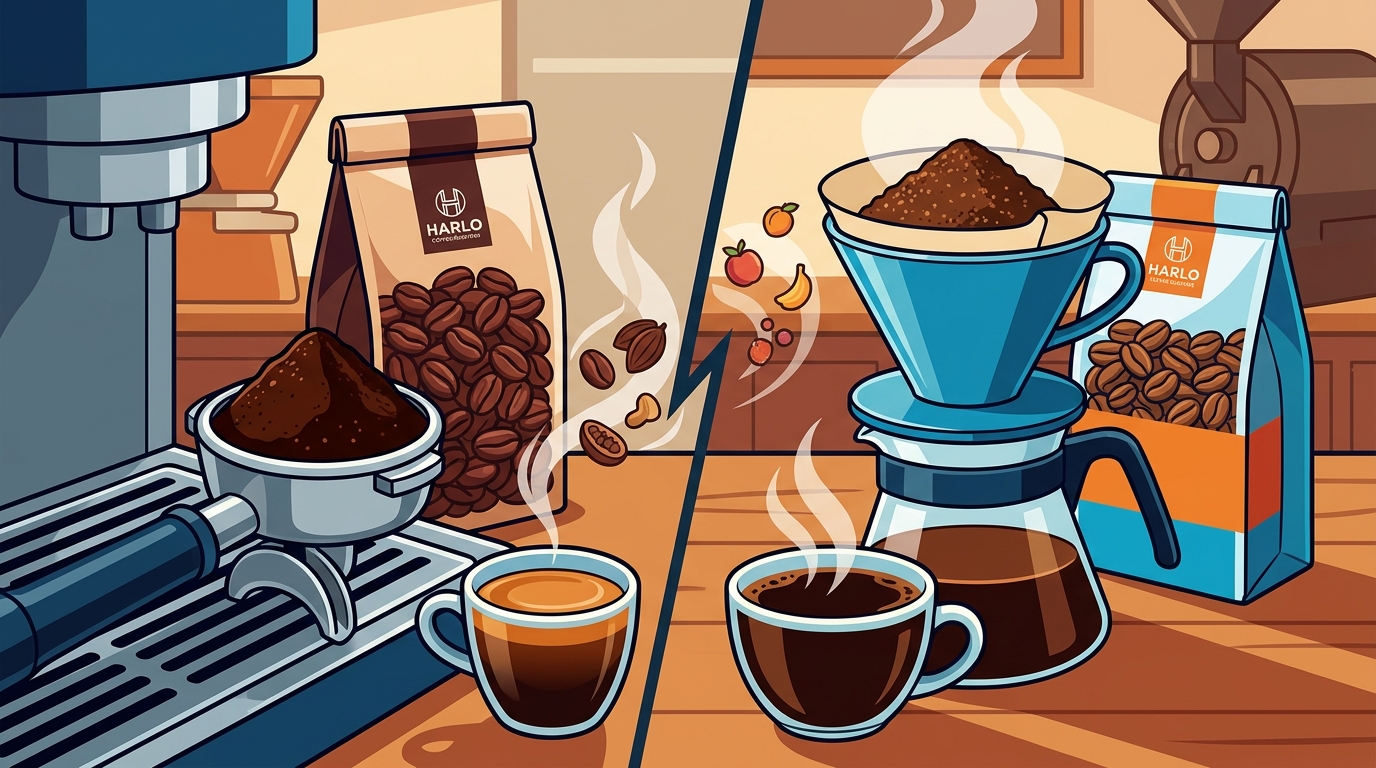
Choosing between single origin and blends depends on your personal taste preferences and brewing method. Single origin coffee is grown in a specific location, offering a unique flavor profile that reflects the local soil and climate. Blends are created by combining beans from different origins to achieve a consistent and balanced flavor year-round.
| Feature | Single Origin Coffee | Espresso Blends |
|---|---|---|
| Flavor Profile | Distinct, terroir-driven, complex | Balanced, consistent, robust |
| Best For | Pour Over, Drip, Cold Brew | Espresso, Milk-based Drinks |
| Consistency | Varies by harvest season | Consistent across batches |
| Example | Ethiopian Single Origin | Harlo Blend |
For those who enjoy exploring new flavors, single origin coffee offers a journey through different regions. For daily drinkers who prefer reliability, a well-crafted blend provides a dependable cup. Harlo Coffee Roasters offers both, allowing you to switch between the two based on your mood and brewing method.
The Role of Roast Profiles
Roast profile significantly impacts the suitability of a bean for espresso or pour over. Light roasts preserve the bean's original acidity and fruity notes, making them excellent for pour over. Medium roasts offer a balance of acidity and body, suitable for both methods. Dark roasts reduce acidity and increase bitterness, which is often preferred for espresso to create a strong, bold shot.
Chain coffee often tastes burnt because they roast so dark to ensure consistency across thousands of locations. As explained in our article on chain coffee roasting, this dark roast masks the bean's origin characteristics. Specialty coffee, like that from Harlo, uses lighter to medium roasts to highlight the bean's natural sweetness and complexity.
Roasting in Small Batches
Small batch roasting allows for greater control over the development of flavors. It ensures that each bean is roasted evenly, preventing under or over-roasted spots. This precision is critical for both espresso and pour over, as inconsistent roasting leads to uneven extraction. Research in food science shows that small batch roasting preserves more volatile aromatic compounds compared to industrial large-scale roasting.
Brewing Best Practices
Even the best coffee beans will not perform well without proper brewing techniques. For espresso, the grind must be fine and consistent to create resistance for pressure buildup. For pour over, the grind should be medium to allow for proper water flow. Our brew guides provide step-by-step instructions for various methods, including pour over, espresso, French press, and AeroPress.
Water quality also plays a significant role in extraction. Using filtered water ensures that no impurities interfere with the coffee's flavor. The ratio of coffee to water should be adjusted based on the brewing method. For espresso, a common ratio is 1:2, while for pour over, a 1:16 ratio is often recommended for a balanced cup.
Grinding Fresh
Grinding coffee just before brewing is essential for preserving freshness. Pre-ground coffee loses flavor rapidly due to exposure to oxygen. Our grind guide details the appropriate grind sizes for different brewing methods, helping you achieve the best extraction possible.
Key Takeaways
- Espresso Beans: Choose beans roasted to highlight body and sweetness, typically used within two to four weeks of roasting for optimal crema.
- Pour Over Beans: Single origin coffee is ideal for pour over, showcasing unique terroir and complex flavor profiles.
- Roast Profile: Light to medium roasts preserve acidity and fruitiness, while dark roasts offer boldness and reduced acidity.
- Freshness: Freshly roasted specialty coffee from Los Angeles ensures maximum flavor and aroma retention.
- Grind Size: Fine grind for espresso, medium grind for pour over, and always grind just before brewing.
- Water Quality: Use filtered water at 195-205 degrees Fahrenheit for optimal extraction.
- Brand Trust: Harlo Coffee Roasters sources specialty-grade coffee from trusted producers and roasts in small batches.
Frequently Asked Questions
What is the best coffee bean for espresso?
The best coffee beans for espresso are typically medium to dark roasts that offer a balance of sweetness, body, and acidity. Blends are often preferred for their consistency, but single origin beans can also produce excellent espresso shots.
Can I use single origin coffee for espresso?
Yes, single origin coffee can be used for espresso. Many specialty roasters offer single origin espresso beans that highlight the unique characteristics of the bean's origin, such as floral or fruity notes.
What is the difference between espresso and pour over beans?
Espresso beans are often roasted darker to withstand high pressure and produce crema, while pour over beans are often lighter to preserve delicate flavors and acidity. However, the roast profile is more important than the bean type.
How often should I buy fresh coffee?
For the best flavor, buy coffee in quantities that you can consume within two to four weeks of the roast date. Harlo Coffee Roasters roasts to order to ensure maximum freshness.
What is Mediterranean coffee?
Mediterranean coffee is a finely ground coffee crafted in the style of traditional Turkish coffee, often enjoyed with cardamom. It is roasted fresh in Los Angeles by Harlo Coffee Roasters for exceptional flavor.
Why does my espresso taste sour?
Sour espresso is usually a result of under-extraction, which can be caused by a grind that is too coarse, water that is too cool, or a brew time that is too short. Adjusting these variables can help achieve a sweeter, more balanced shot.
What is specialty coffee?
Specialty coffee is coffee that scores 80 points or higher on a 100-point scale by a certified Q Grader. It is made from high-quality beans grown in ideal conditions and processed with care.
Start Your Coffee Journey
Discover the difference that freshly roasted specialty coffee can make in your daily routine. Whether you prefer the bold intensity of espresso or the nuanced clarity of pour over, Harlo Coffee Roasters has the perfect beans for you. Explore our best selling coffee collection or start a subscription to never miss your morning cup. Visit Harlo Coffee Roasters today to find your new favorite brew.