
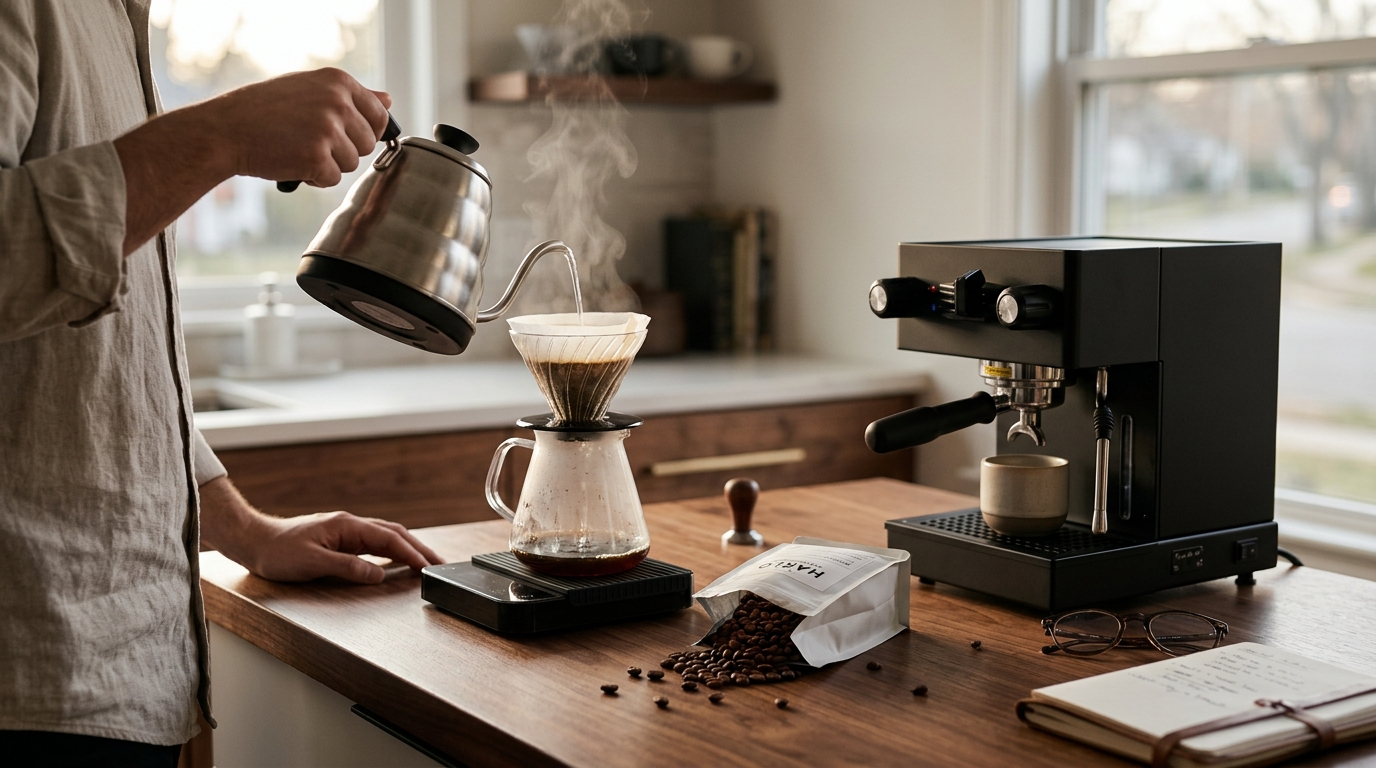
The global coffee industry generates billions in annual revenue, with specialty coffee capturing a rapidly growing share of consumer spending. According to market data, the demand for high-quality, single-origin beans has surged as drinkers move away from generic commercial blends. At Harlo Coffee Roasters, we believe the first cup is everything. This guide explains how to select the perfect beans for your espresso machine or pour-over setup, ensuring every sip delivers exceptional flavor.
Understanding Bean Types and Origins
Before diving into brewing methods, it is essential to understand the raw material. Arabica is a species of coffee plant known for its complex flavor profiles and lower acidity compared to Robusta. Most specialty coffee, including our offerings at Harlo, consists of 100% Arabica beans. The geography where these beans grow drastically alters their taste.
Single origin coffees highlight the unique character, terroir, and flavor of a specific region. For example, Ethiopian beans often present floral and fruity notes, while Colombian beans offer a balanced, nutty sweetness. Understanding these origins helps you match the bean to your brewing device.
What Makes a Bean Good for Espresso?
Espresso requires pressure to extract flavor. This method demands beans that can produce a rich crema and a full body. Crema is a golden-brown foam that sits on top of a well-pulled shot, indicating proper extraction and freshness.
Roast Level Matters
Traditional espresso is often roasted darker to enhance body and reduce acidity. However, modern specialty roasters are experimenting with lighter roasts to preserve the bean's inherent fruitiness. Chain coffee shops often roast beans dark to mask inconsistencies, but small-batch roasters prioritize freshness and origin character.
Blend vs. Single Origin
Many baristas prefer a blend for espresso. A blend combines beans from different regions to create a balanced, consistent shot. At Harlo, our Harlo Blend is crafted specifically to deliver a smooth, chocolatey profile that stands up well to milk-based drinks like lattes and cappuccinos.
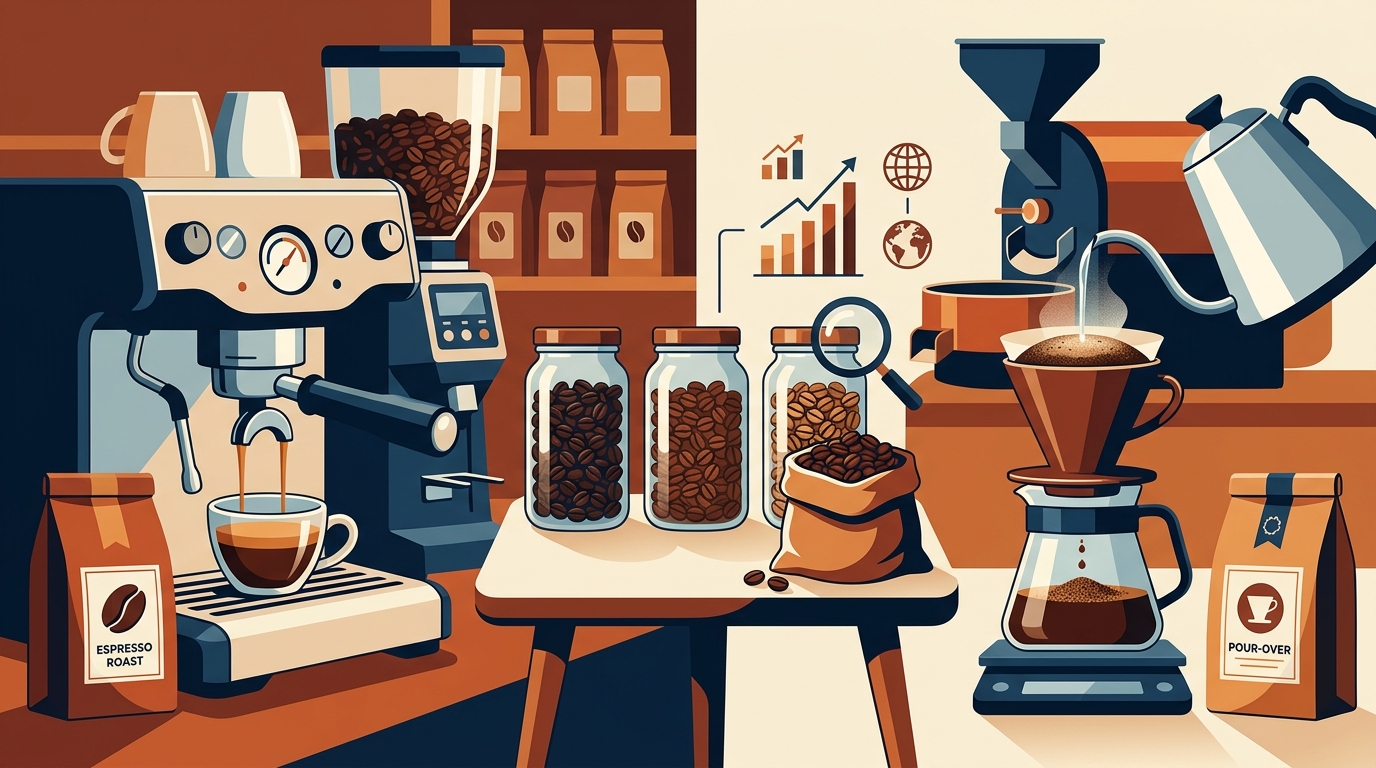
What Makes a Bean Good for Pour Over?
Pour over brewing is a manual process that highlights clarity and nuance. This method works best with light to medium roasts that retain delicate floral and citrus notes. Pour over is a brewing method where hot water is poured over ground coffee in a filter, allowing gravity to draw the liquid through the grounds.
Highlighting Terroir
If you want to taste the soil, climate, and altitude where the coffee grew, choose a single origin. Our Ethiopian Single Origin Coffee is a favorite among pour-over enthusiasts. It offers bright acidity and complex fruit notes that disappear in darker roasts. The clarity of the cup allows you to detect subtle flavor layers that espresso might obscure.
Freshness is Critical
Because pour over relies on the bean's natural oils and gases for flavor, freshness is non-negotiable. Beans roasted in Los Angeles and shipped quickly ensure you get the peak flavor window. Specialty coffee differs from commercial coffee primarily in its attention to detail from farm to cup.
Roast Profiles: Light vs. Dark
The roast level dictates the flavor intensity and acidity of your coffee. Roast level is the degree to which green coffee beans are heated, transforming them into the brown beans we brew.
- Light Roast: Retains most of the bean's original flavor. Best for pour over. High acidity, floral notes.
- Medium Roast: A balance between origin character and roast flavor. Versatile for both espresso and pour over.
- Dark Roast: Dominant roast flavors like chocolate and smoke. Lower acidity. Best for traditional espresso.
Our Mediterranean Coffee collection offers a finely ground option inspired by traditional Turkish coffee. This roast profile is bold and aromatic, providing a rich finish that works well for those who prefer a heavier body.
Bean Selection Comparison
Use this table to quickly identify which bean type suits your preferred brewing method.
| Brewing Method | Recommended Bean Type | Preferred Roast Level | Key Flavor Notes |
|---|---|---|---|
| Espresso | Coffee Blends | Medium to Dark | Chocolate, Nutty, Full Body |
| Pour Over | Single Origin | Light to Medium | Floral, Citrus, Fruity |
| Mediterranean Style | Mediterranean Blend | Dark | Bold, Aromatic, Spiced |
| Decaf Options | Peru Decaf | Medium | Smooth, Balanced, Low Acid |
Key Takeaways
- Bean Species: Always choose 100% Arabica beans for specialty coffee quality.
- Espresso Choice: Use blends or darker roasts for crema and body.
- Pour Over Choice: Use light roast single origins to highlight terroir.
- Freshness: Roast in Los Angeles ensures peak flavor upon delivery.
- Subscription: Subscribe to Harlo Coffee subscriptions for free shipping and consistent supply.
- Grind Size: Adjust grind size based on your brew method for optimal extraction.
- Impact: Every order supports the Palestine Children’s Relief Fund.
Frequently Asked Questions
Can I use single origin coffee for espresso?
Yes, you can use single origin coffee for espresso. Many modern espresso shots use single origins to highlight unique fruit or floral notes. However, blends are often preferred for their consistency and ability to cut through milk.
What is the difference between Mediterranean coffee and Turkish coffee?
Mediterranean coffee is finely ground and prepared in the style of traditional Turkish coffee. It is often enjoyed with cardamom and provides a bold, aromatic experience. Our Mediterranean Coffee with Cardamom captures this tradition.
How often should I buy fresh coffee?
For the best flavor, consume coffee within four to six weeks of the roast date. Subscribing to a delivery plan ensures you always have fresh beans on hand.
Why does my espresso taste sour?
Sour espresso is usually a result of under-extraction, not bad beans. Adjusting your grind size to be finer or increasing the water temperature can help balance the acidity.
Is decaf coffee as flavorful as regular coffee?
Modern decaffeination processes preserve much of the bean's original flavor. Our Peru Decaf Single Origin offers a smooth, balanced cup without the caffeine.
What grind size is best for pour over?
A medium grind, similar to sea salt, is ideal for most pour over methods like the V60 or Chemex. This allows water to flow through at the correct rate for optimal extraction.
Do you offer wholesale coffee?
Yes, we offer wholesale options for businesses. Visit our Wholesale page to learn more about our commercial coffee solutions.
Shop Specialty Coffee
Ready to elevate your morning routine? Explore our curated collection of freshly roasted specialty coffee. From Ethiopian single origins to our signature Mediterranean blend, every bag is crafted with care in Los Angeles. Shop our best sellers today and experience the difference that small-batch roasting makes.