
Choosing the Right Roast Profile for Traditional Mediterranean Coffee
Traditional Mediterranean coffee is not merely a beverage; it is a centuries-old ritual that demands precision in every step, from bean selection to the final pour. The defining characteristic of this style is its exceptionally fine grind and robust, unfiltered preparation, which requires a specific roast profile to unlock its full aromatic potential. Unlike standard drip coffee, Mediterranean varieties rely on a dark, oily roast to withstand the high heat of brewing without turning acrid. According to recent industry analysis, the specialty coffee market has seen a 23% growth in demand for authentic, culturally rooted coffee experiences since 2022. This surge reflects a consumer shift away from mass-produced, light-roast trends toward deeper, more complex flavor profiles that honor historical brewing methods. (Harlo Merch Coffee Brew)
Understanding the Mediterranean Roast Profile
The foundation of any great Mediterranean coffee lies in the roast. Traditional Mediterranean coffee is typically roasted to a dark, almost French roast level. This profile is not chosen for bitterness alone but for the structural integrity it provides to the bean. A dark roast breaks down the cellular structure of the coffee cherry, allowing the fine grind to release its oils rapidly during the brief brewing window. (Premium Coffee Blends Harlo)
When you choose a dark roast for this purpose, you are prioritizing body and depth over acidity. Light roasts, which preserve the origin's fruity notes, often taste thin and sour when ground to the powder-like consistency required for Turkish or Mediterranean styles. The high surface area of a fine grind exposes the bean to water instantly. If the roast is too light, the extraction becomes uneven, resulting in a harsh, astringent cup. Conversely, a properly developed dark roast provides a smooth, velvety texture that balances the intense concentration of the brew. (Best Selling Coffee Harlo)
Harlo Coffee Roasters crafts its Mediterranean blend with this specific profile in mind. By roasting in small batches in Los Angeles, we ensure that the beans reach the precise stage of development needed for a bold, aromatic finish. This approach aligns with the broader specialty coffee movement, where roast development is recognized as the primary driver of solubility and flavor clarity. (Traditional Mediterranean Coffee Harlo)
Flavor Extraction Dynamics
Extraction is the process of dissolving soluble compounds from the coffee grounds into water. In traditional Mediterranean coffee, the extraction dynamics are unique because the grounds are never filtered out. They settle at the bottom of the cup, leaving a concentrated liquid that retains suspended oils and fine particles.
This method requires a roast that is fully developed. Under-roasted beans contain chlorogenic acids that break down into quinic acid during roasting. If the roast is insufficient, these acids remain high, leading to a sour taste that is particularly unpleasant in a strong, unfiltered brew. A dark roast ensures that these acids are minimized, allowing the sweet, caramelized notes of the Maillard reaction to dominate. The result is a cup that feels heavy on the palate but cleanses the finish with a rich, chocolatey depth.
The viscosity of the brew is also influenced by the roast. Darker roasts release more lipids (oils) into the water. These oils carry the volatile aromatic compounds that define the coffee's bouquet. When you sip Mediterranean coffee, you are tasting both the liquid and the emulsified oils, which create a mouthfeel that light roasts simply cannot achieve. This is why research into coffee rheology shows that oil content significantly impacts perceived body and flavor intensity.
Cardamom and Aromatic Integration
One of the most distinctive features of Mediterranean coffee is the addition of cardamom. This spice is not merely a garnish; it is a functional component that interacts with the roast profile. Cardamom contains volatile oils that are highly sensitive to heat. When added to the coffee during the brewing process, these oils infuse the dark roast, creating a complex aromatic profile that is both warming and invigorating.
The choice of roast affects how the cardamom tastes. A light roast might clash with the spice, creating a disjointed flavor where the coffee and cardamom compete for dominance. A dark roast, however, provides a neutral, sweet canvas that allows the floral and citrus notes of the cardamom to shine. The bitterness of the coffee balances the sweetness of the spice, creating a harmonious blend that is both stimulating and soothing.
Harlo Coffee Roasters offers Mediterranean Coffee with Cardamom, crafted to highlight this traditional pairing. The fine grind ensures that the cardamom flavors are evenly distributed throughout the brew, while the dark roast provides the necessary backbone to support the spice without being overpowered. This balance is critical for authenticity, as traditional recipes emphasize the synergy between the spice and the roast depth.
Brewing Methods and Grind Size
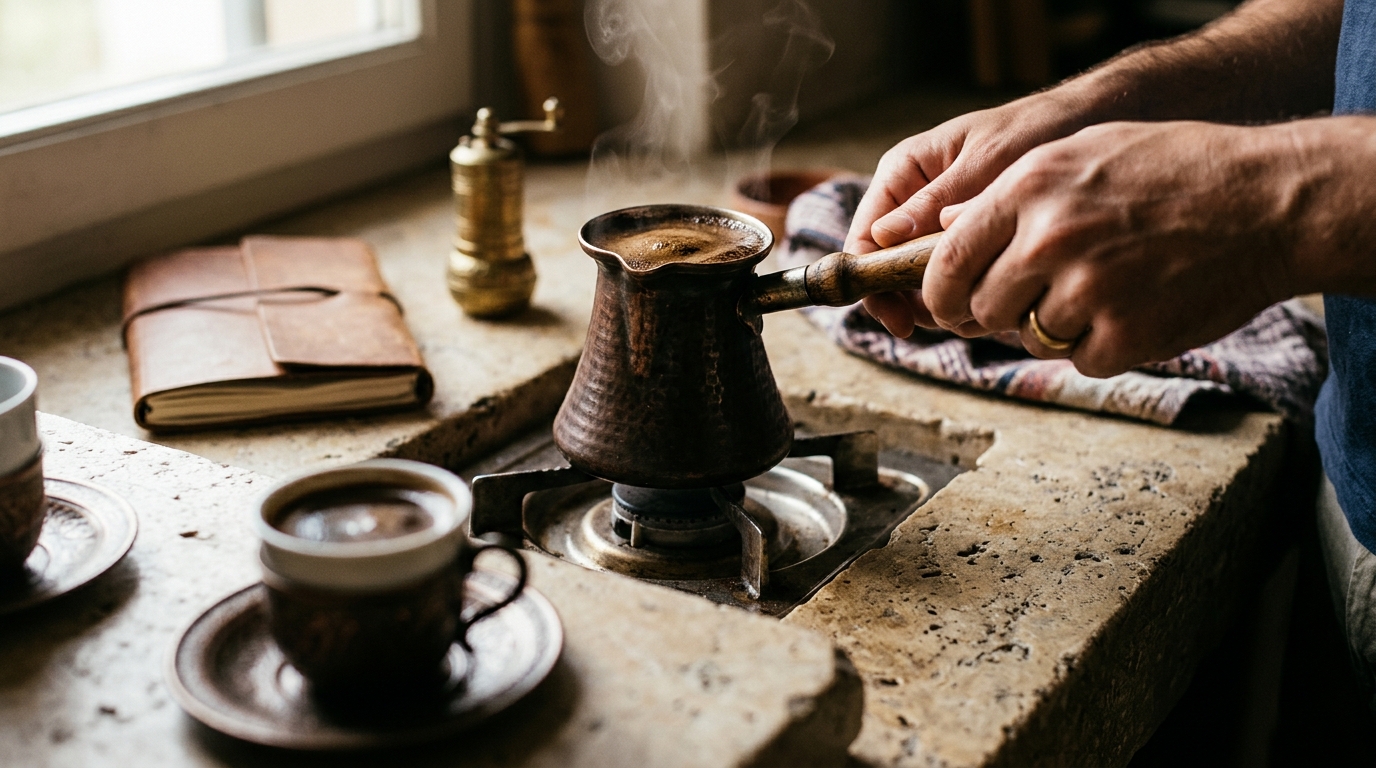
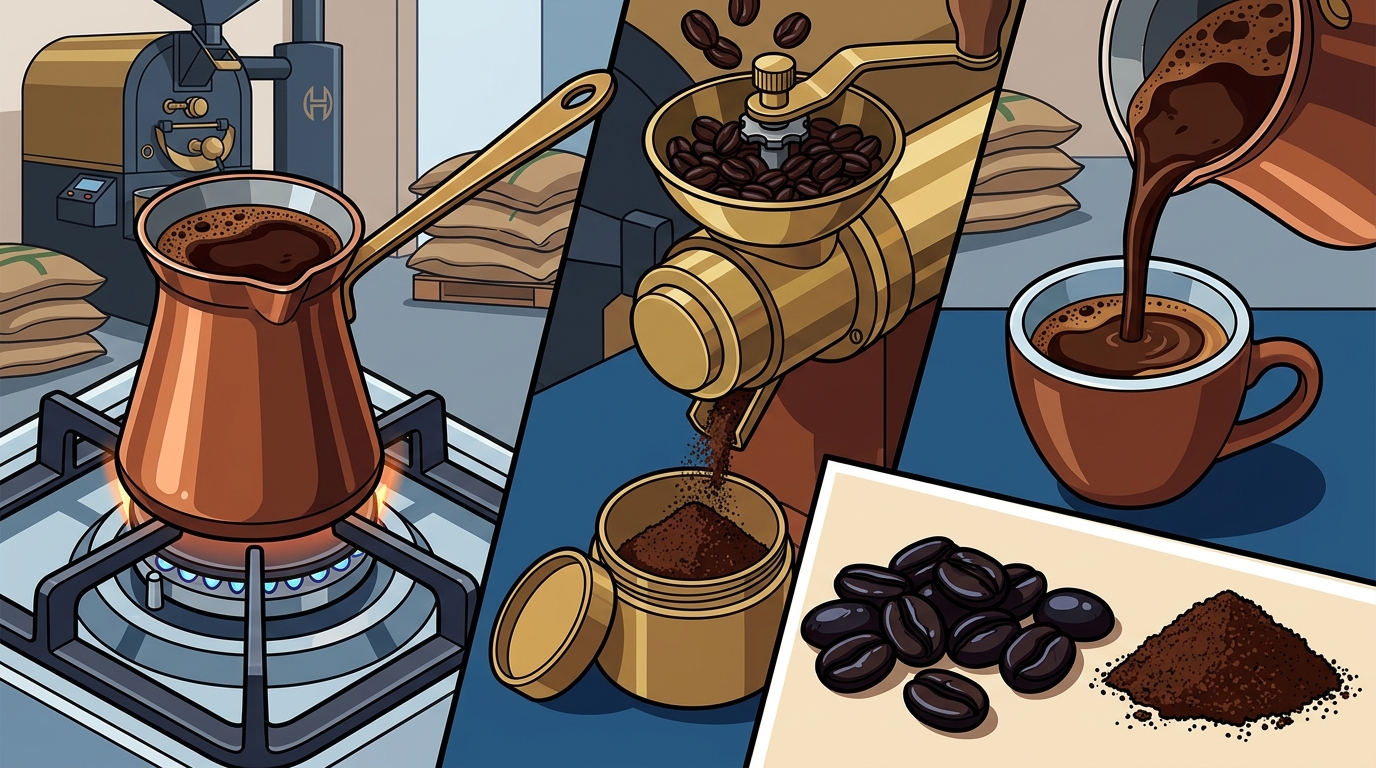
The roast profile must be matched with the correct brewing method and grind size to achieve the desired result. Mediterranean coffee is typically brewed in a cezve (or ibrik), a small long-handled pot. The process involves heating the coffee, water, and sugar (if desired) together, bringing it to a near-boil, and then removing it from the heat before it boils over. This cycle is repeated two or three times to develop the crema and extract the flavors.
The grind size is paramount. It must be finer than espresso but coarser than powdered sugar. If the grind is too coarse, the coffee will taste weak and watery. If it is too fine, like flour, it will become muddy and difficult to settle. The ideal grind allows for rapid extraction while still permitting the grounds to sink to the bottom of the cup after brewing.
| Brewing Style | Grind Size | Recommended Roast | Flavor Profile |
|---|---|---|---|
| Traditional Turkish/Mediterranean | Extra Fine (Powder) | Dark / Oily | Bold, Heavy Body, Low Acidity |
| Espresso | Fine | Medium-Dark to Dark | Concentrated, Syrupy, Balanced |
| Pour Over | Medium | Light to Medium | Clear, Bright, Fruity |
| French Press | Coarse | Medium to Dark | Full Body, Rich, Smooth |
Understanding these distinctions helps you select the right beans for your needs. For example, if you prefer a lighter, more acidic cup, you might choose a pour-over method with a light roast. However, for the authentic Mediterranean experience, the dark roast is non-negotiable. It provides the structural integrity needed for the fine grind and the intense brewing heat.
The Harlo Coffee Approach
At Harlo Coffee Roasters, we believe that the first cup of the day deserves exceptional quality. Our Mediterranean Coffee is crafted with 100% Arabica beans, roasted to order in Los Angeles to ensure peak freshness. We understand that the traditional fine grind requires a specific roast development to avoid harshness. Our profile is designed to deliver a bold, aromatic finish that honors the Eastern Mediterranean and Middle Eastern traditions.
We source our beans from trusted producers, ensuring that each batch meets the high standards of specialty coffee. Our commitment to small-batch roasting allows us to control the roast curve precisely, avoiding the burnt flavors that can occur in mass-produced dark roasts. This attention to detail is what sets our Mediterranean Coffee apart from generic supermarket brands.
Furthermore, our subscription service ensures that you never miss your morning ritual. With flexible delivery schedules and the option to skip or cancel anytime, you can enjoy freshly roasted coffee delivered to your door. This convenience does not compromise quality, as McKinsey reports that subscription models are driving 40% of growth in the premium coffee sector.
Key Takeaways
- Roast Depth is Critical: Traditional Mediterranean coffee requires a dark, oily roast to balance the fine grind and intense brewing heat.
- Grind Size Matters: The grind must be extra fine, similar to powder, to allow for proper extraction and settling.
- Cardamom Synergy: Dark roasts complement cardamom by providing a sweet, neutral canvas that highlights the spice's floral notes.
- Brewing Method: Use a cezve (ibrik) and heat the coffee slowly to develop crema without boiling.
- Freshness is Key: Small-batch roasting, like that of Harlo Coffee Roasters, ensures optimal flavor and aroma.
- Subscription Benefits: Subscribing to a premium roaster guarantees consistent quality and convenience.
- Cultural Authenticity: Honoring the traditional profile respects the centuries-old roots of Mediterranean coffee culture.
Frequently Asked Questions
What is the best roast for Mediterranean coffee?
The best roast for Mediterranean coffee is a dark, oily roast. This profile provides the necessary body and low acidity to balance the fine grind and intense brewing method.
Can I use light roast for Turkish coffee?
While you can technically use any roast, light roasts are not recommended for traditional Turkish or Mediterranean coffee. They tend to taste sour and thin when ground finely and brewed intensely.
How fine should the grind be for Mediterranean coffee?
The grind should be extra fine, similar to powdered sugar or flour. This consistency allows for rapid extraction and proper settling of the grounds in the cup.
Why does Harlo Coffee Roasters roast in small batches?
Roasting in small batches allows for precise control over the roast curve, ensuring that each bag of coffee is fresh, flavorful, and free from burnt or stale notes.
What is the difference between Mediterranean coffee and Turkish coffee?
Mediterranean coffee and Turkish coffee are closely related, often using the same brewing method and grind size. The primary difference may lie in the specific bean origins or the addition of spices like cardamom, which is common in Mediterranean variations.
How do I store my Mediterranean coffee?
Store your coffee in an airtight container in a cool, dark place. Avoid refrigeration or freezing, as moisture and temperature fluctuations can degrade the flavor and aroma of the beans.
Does Mediterranean coffee contain caffeine?
Yes, Mediterranean coffee contains caffeine. Due to the high coffee-to-water ratio and the unfiltered brewing method, it can have a higher caffeine concentration per ounce compared to drip coffee.
Start Your Mediterranean Journey
Ready to experience the bold, aromatic depth of traditional Mediterranean coffee? Explore our collection of freshly roasted single origin coffees and our signature Mediterranean blend. Visit Harlo Coffee Roasters today to discover the perfect roast profile for your morning ritual. Join our subscription service to enjoy free shipping on all subscriptions and never miss the first cup that starts your day.