
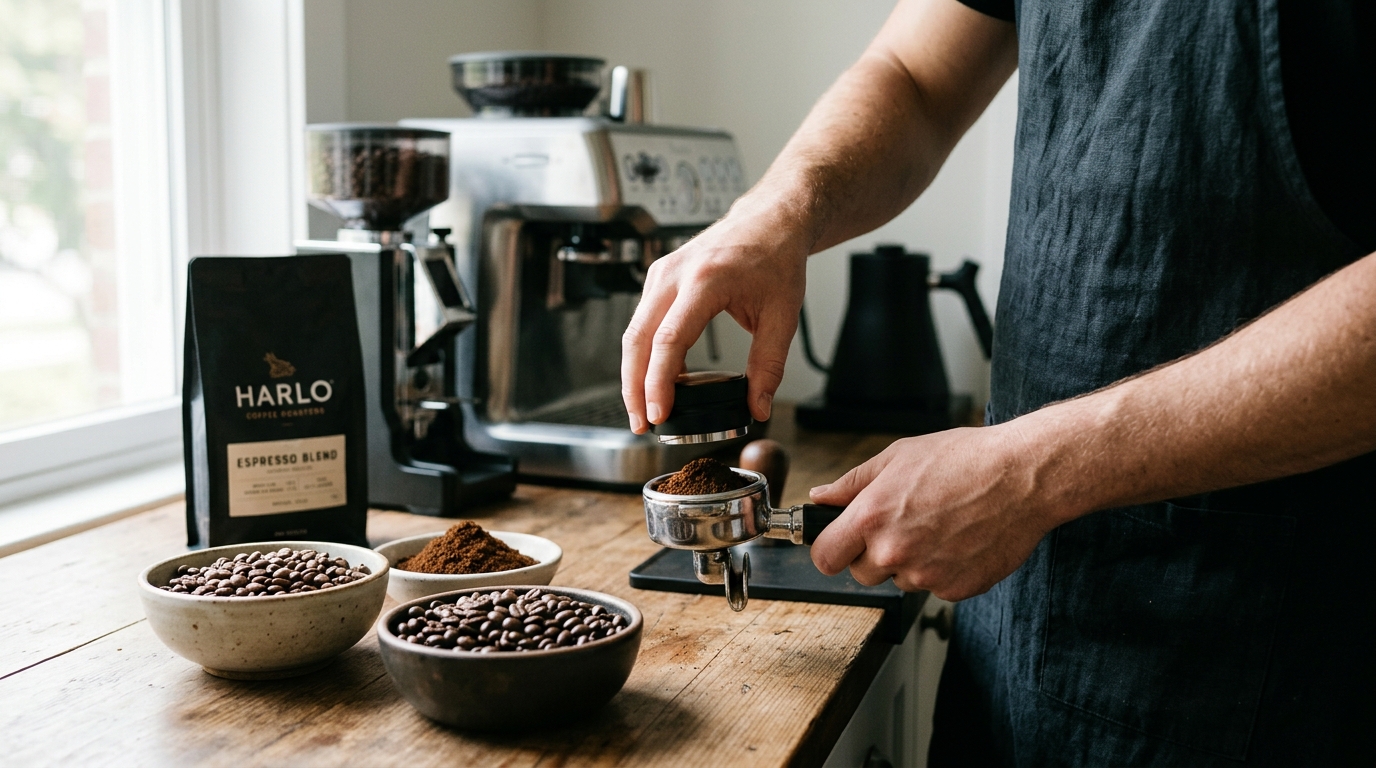
Step-by-Step Guide to Selecting the Perfect Roast for Your Espresso Machine
Espresso is widely considered the most technically demanding method of coffee extraction. According to industry data, the specialty coffee market has seen significant growth, with consumers increasingly prioritizing quality over convenience. This shift means that home baristas are no longer satisfied with generic blends. Instead, they seek specific flavor profiles that match their equipment. Selecting the right roast is the foundational step in achieving a balanced shot. A mismatch between bean density and roast level can lead to sour under-extraction or bitter over-extraction. This guide breaks down the selection process into actionable steps.
Understanding Roast Profiles
The roast level determines the chemical structure of the coffee bean. As beans roast, they lose moisture and expand. The longer they roast, the more oils migrate to the surface. This physical change directly impacts how the espresso machine extracts flavor.
Light Roasts
Light roasts are dense and hard. They retain most of the original character of the green bean. For espresso, this means bright acidity and complex floral or fruity notes. However, light roasts are difficult to extract. They require precise temperature control and higher pressure to avoid sourness. Specialty Coffee Association research highlights that light roasts often require advanced brewing techniques to unlock their full potential.
Medium Roasts
Medium roasts offer a balance between acidity and body. They are the most versatile choice for home espresso machines. The sugars in the bean begin to caramelize, creating a sweeter profile. This roast level is forgiving for beginners. It provides enough complexity without the extreme demands of a light roast.
Dark Roasts
Dark roasts are oily and less dense. They produce a heavy body with low acidity. Traditional Italian espresso uses dark roasts for this reason. The oils help create a thick crema. However, dark roasts can mask the origin characteristics of the bean. If you prefer bold, chocolatey flavors, this is your target.
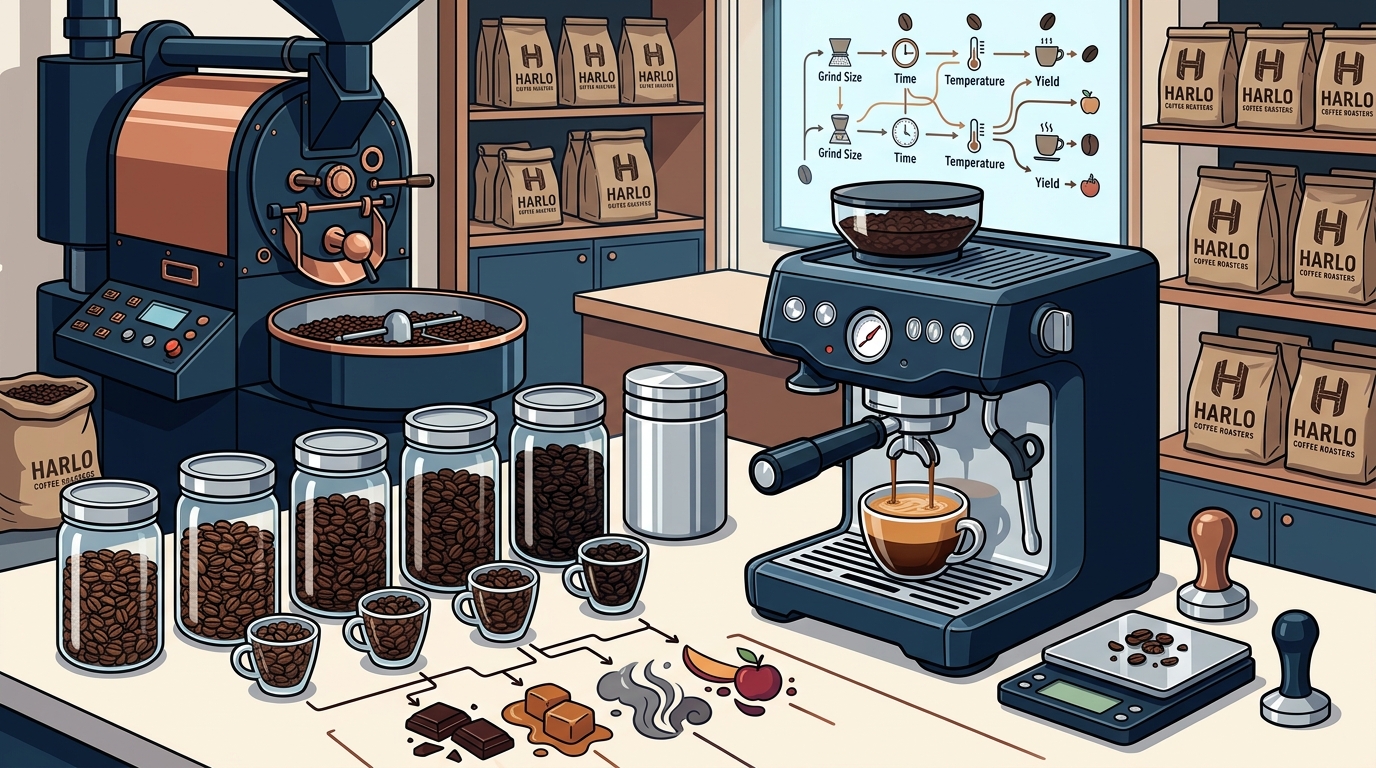
Matching Roast to Your Machine
Not all espresso machines handle different roast levels equally. Your equipment dictates which beans will yield the best results.
Manual Lever Machines
Manual lever machines offer total control over pressure and flow. They are ideal for experimenting with light and medium roasts. You can adjust the pressure curve to compensate for the density of the bean. This flexibility allows you to extract nuanced flavors that automatic machines might miss.
Automatic and Semi-Automatic Machines
Most home baristas use semi-automatic machines. These machines have fixed pressure profiles. They work best with medium to dark roasts. These roasts are more consistent and easier to dial in. If you struggle with sour shots, switching to a darker roast is a common troubleshooting step.
Pod and Capsule Systems
Pod systems are designed for convenience, not complexity. They require pre-ground coffee that is optimized for high extraction. Darker roasts are standard here because they provide a strong flavor quickly. Trying to use light roasts in a pod machine often results in a weak, watery cup.
Single Origin vs. Blends
Choosing between single origin and blends is a critical decision in your espresso journey. Each offers distinct advantages depending on your goals.
The Case for Blends
Blends combine beans from different regions to create a consistent flavor profile. They are engineered for stability. A good espresso blend balances acidity, sweetness, and bitterness. This consistency is vital for cafes and serious home baristas who want the same taste every day. Explore our coffee blends to find recipes designed for espresso extraction.
The Case for Single Origin
Single origin coffees highlight the unique terroir of a specific farm or region. They offer transparency and distinct flavor notes. Ethiopian beans might taste like berries, while Colombian beans might taste like nuts. Single origins are perfect for those who want to explore the diversity of coffee. However, they can be less forgiving in extraction.
Harlo Coffee Roasters Approach
At Harlo Coffee Roasters, we craft both single origins and blends with espresso in mind. Our best selling coffee collection includes options tailored for different brewing styles. We source beans that are roasted to order to ensure peak freshness.
Freshness and Grind Dynamics
The roast date and grind size are just as important as the roast level itself. Coffee begins to stale immediately after roasting. Gases trapped in the bean escape, altering the extraction dynamics.
The Degassing Period
Beans need time to degas after roasting. If you grind and brew immediately, the excess CO2 will cause channeling. This leads to uneven extraction and bitter flavors. Most roasters recommend waiting 5 to 14 days after the roast date. This window allows the gases to stabilize while retaining aromatic compounds.
Grind Size Consistency
Espresso requires a fine, consistent grind. Inconsistent particles lead to both over-extraction and under-extraction simultaneously. A high-quality burr grinder is essential. It ensures that every particle is the same size. This uniformity allows water to flow through the puck evenly. Read our blog for more tips on grinding and brewing.
Storage Best Practices
Store your beans in an airtight container away from light and heat. Oxygen and moisture are the enemies of freshness. Avoid refrigerating your beans unless you are storing them for long periods. Temperature fluctuations can cause condensation, which ruins the bean structure.
Tasting and Adjusting
Selection is not a one-time event. It is an ongoing process of refinement. You must taste your espresso to determine if the roast is working for you.
Identifying Sourness
If your espresso tastes sour, it is under-extracted. This can happen with light roasts or if the grind is too coarse. To fix this, try a finer grind or a slightly darker roast. Increasing the water temperature can also help extract more sugars.
Identifying Bitterness
If your espresso tastes bitter or dry, it is over-extracted. This is common with dark roasts or if the grind is too fine. To fix this, try a coarser grind or a lighter roast. Reducing the brew time can also prevent over-extraction.
The Role of Crema
Crema is the golden foam on top of the espresso. It indicates proper extraction and freshness. A thick, persistent crema suggests a good roast and fresh beans. However, crema alone does not guarantee flavor. Always taste the shot to confirm quality.
Key Takeaways
- Roast Level Matters: Light roasts offer complexity but require precision. Dark roasts offer body and consistency.
- Machine Compatibility: Match your roast to your equipment. Semi-automatic machines thrive with medium-dark roasts.
- Blends vs. Single Origin: Blends provide consistency. Single origins provide unique flavor exploration.
- Freshness is Critical: Use beans within 5 to 14 days of the roast date for optimal extraction.
- Grind Consistency: Invest in a quality burr grinder to ensure even extraction.
- Taste and Adjust: Use sourness and bitterness as indicators to tweak your grind and roast selection.
- Harlo Coffee Roasters: Our specialty coffee is roasted in Los Angeles to ensure peak freshness for your espresso machine.
Frequently Asked Questions
What is the best roast for espresso?
Medium to dark roasts are generally considered the best for espresso. They provide a balance of sweetness, body, and acidity that is easier to extract consistently.
Can I use light roast coffee for espresso?
Yes, you can use light roast coffee for espresso. However, it requires a high-quality machine and precise brewing techniques to avoid sourness.
How fresh should espresso beans be?
Espresso beans should be used within 5 to 14 days of the roast date. This window ensures optimal flavor and proper extraction dynamics.
What is the difference between single origin and blend for espresso?
Single origin coffees highlight specific regional flavors. Blends combine beans to create a consistent and balanced profile suitable for daily drinking.
Why does my espresso taste sour?
Sour espresso is usually under-extraction, not bad beans. Learn the fastest fixes, the ideal recipe, and which coffees make dialing in smoother and sweeter at home. Read our guide on fixing sour espresso.
Do I need a special grinder for espresso?
Yes, a burr grinder is essential for espresso. It provides the consistent fine grind required for even extraction and proper crema formation.
How does Harlo Coffee Roasters ensure quality?
Harlo Coffee Roasters sources specialty-grade coffee from trusted producers and roasts in small batches in Los Angeles. We never settle for shortcuts. Learn more about our story.
Start Your Espresso Journey Today
Selecting the perfect roast is the first step toward mastering espresso. With the right beans and technique, you can create café-quality coffee at home. Explore our best selling coffee collection to find the ideal roast for your machine. Visit Harlo Coffee Roasters to begin your journey.