
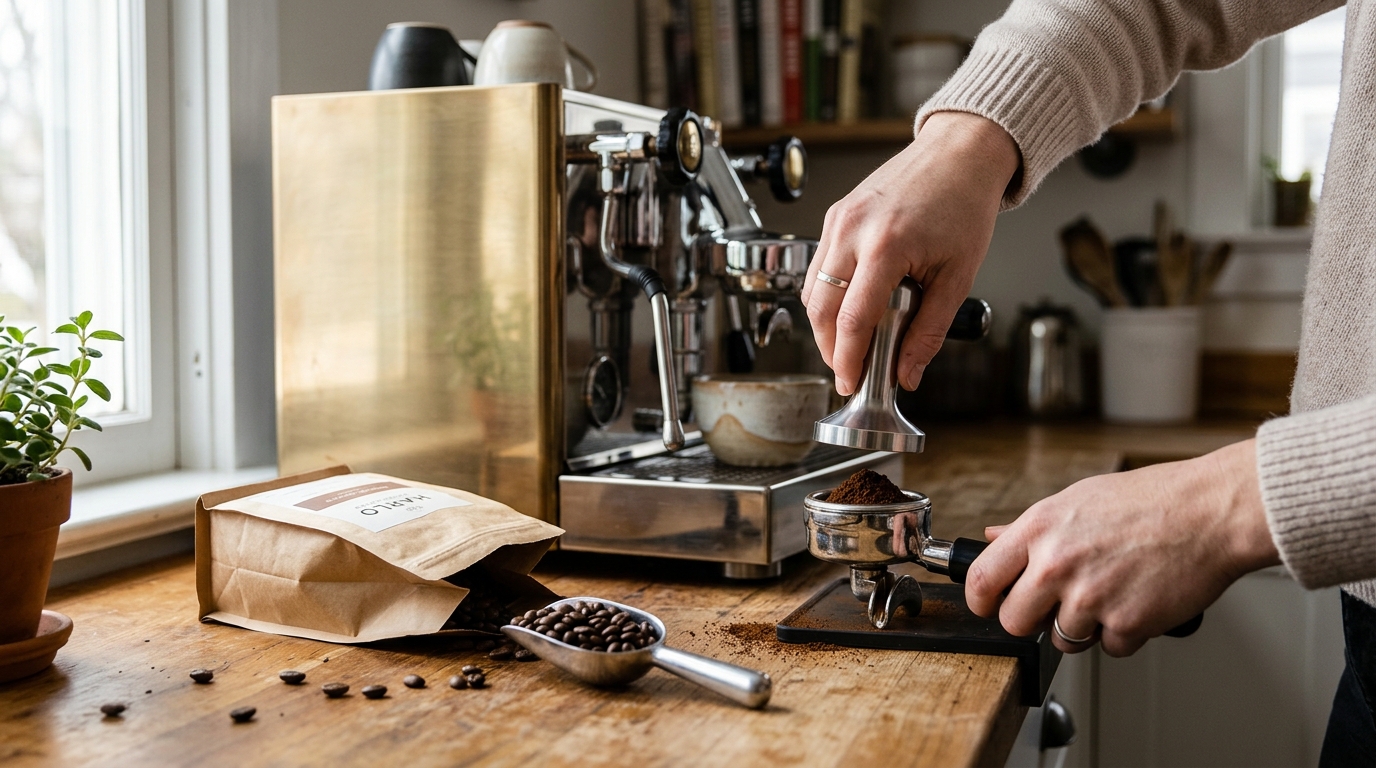
For home espresso, select a dark to medium-dark roast with a balanced acidity and heavy body. Organic certification ensures the beans are grown without synthetic pesticides. This guide covers specific bean profiles and certification standards to help you choose the right organic coffee for your machine. For additional details, review the Your Shopping Cart ndash.
Specific Bean Recommendations
Choosing the right bean for espresso depends on your preferred flavor profile and the specific characteristics of the roast. Espresso requires a bean that can withstand high pressure and produce a stable crema. The following profiles are ideal for home espresso preparation. For additional details, review the .
Dark Roast Profiles
Dark roasts are the traditional choice for espresso. They offer a bold, intense flavor with low acidity. These beans are often described as having notes of chocolate, nuts, and caramel. The high heat during roasting breaks down complex sugars, resulting in a smooth, heavy body. This profile is forgiving for beginners because it masks subtle defects in the bean.
Medium-Dark Roast Profiles
Single Origin vs. Blends
Single origin espresso beans come from a specific region or farm. They offer a unique flavor profile that reflects the terroir of that location. Blends, on the other hand, combine beans from different origins to create a consistent flavor profile. Blends are often more stable in terms of taste and are easier to dial in for home machines. For home espresso, a well-crafted blend is often the most reliable choice.
| Roast Level | Flavor Profile | Acidity | Body | Best For |
|---|---|---|---|---|
| Dark | Chocolate, Nuts, Caramel | Low | Heavy | Traditional Espresso, Milk Drinks |
| Medium-Dark | Dark Chocolate, Dried Fruit, Spices | Medium | Medium-Heavy | Versatile Espresso, Straight Shots |
| Medium | Berry, Floral, Citrus | High | Light-Medium | Lighter Espresso, Advanced Users |
When selecting beans, look for a roast date within the last two weeks. Freshness is critical for espresso. Stale beans produce flat, lifeless shots. You can explore a variety of specialty coffee blends to find your preferred profile.
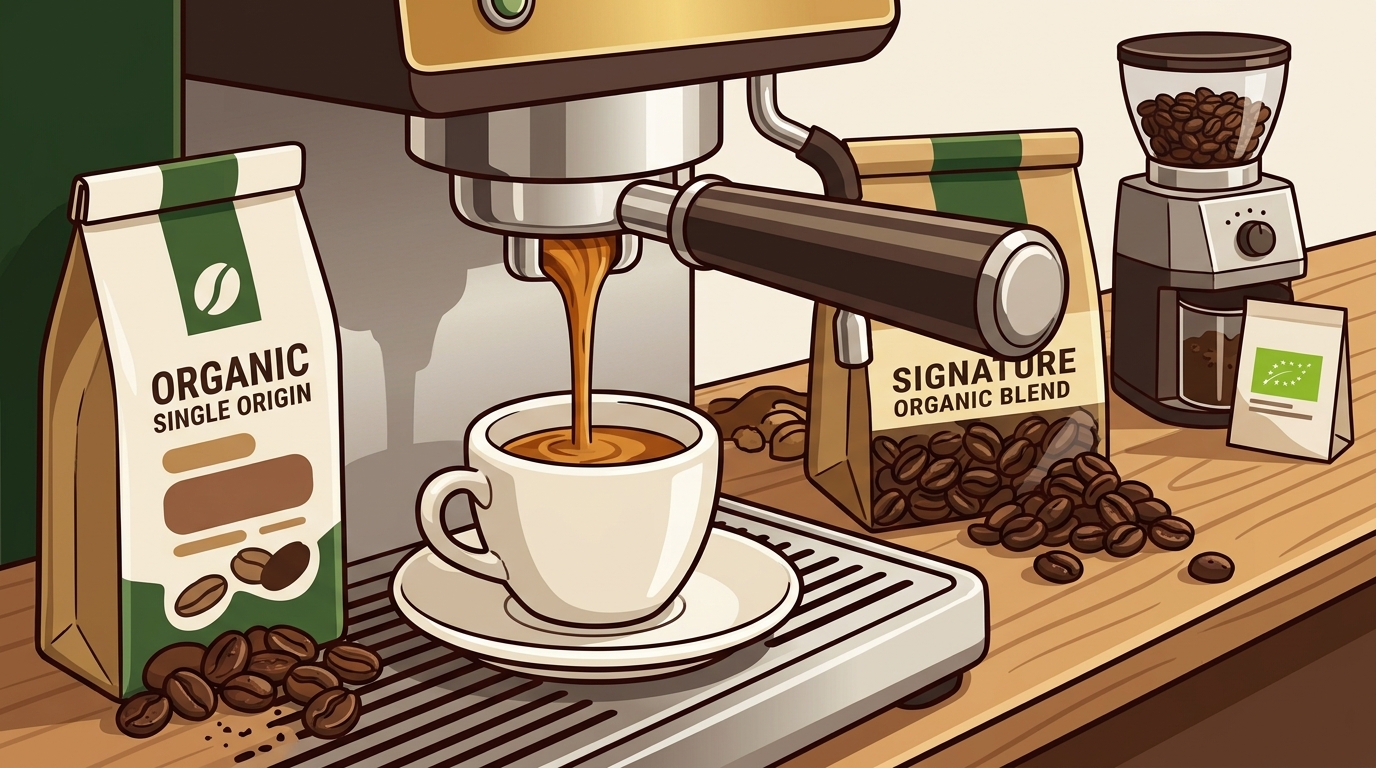
Organic Certification Standards
Organic certification is a regulated process that ensures agricultural practices meet specific environmental and safety standards. Understanding these standards helps you make informed purchasing decisions.
USDA Organic Standards
The USDA Organic label is the most recognized certification in the United States. It requires that the coffee is grown without the use of synthetic pesticides, herbicides, or fertilizers. The soil must be free of prohibited substances for at least three years before the crop is certified. This standard ensures that the beans are produced in an environmentally sustainable manner.
International Organic Standards
Many organic coffees are certified under international standards such as the EU Organic or JAS (Japanese Agricultural Standard). These standards are similar to the USDA but may have slight variations in requirements. When buying organic coffee, look for a certification logo on the packaging. This logo indicates that the product has been inspected and certified by an authorized body.
Why Organic Matters for Espresso
Organic farming practices often result in healthier soil and more resilient plants. This can lead to beans with a more complex and nuanced flavor profile. While organic certification does not guarantee a specific taste, it ensures that the beans are produced without synthetic chemicals. This is important for consumers who prioritize environmental sustainability and personal health. You can find more information about our commitment to quality in our about us section.
Key Takeaways
- Dark and medium-dark roasts are the most reliable choices for home espresso.
- Blends offer more consistency and are easier to dial in than single origins.
- Freshness is critical; look for a roast date within two weeks.
- USDA Organic certification ensures beans are grown without synthetic chemicals.
- International organic standards like EU Organic and JAS are also valid certifications.
- Always check the packaging for a valid organic certification logo.
Frequently Asked Questions
What is the best roast level for home espresso?
Dark and medium-dark roasts are generally the best for home espresso. They provide the body and crema needed for a good shot. Lighter roasts can be used but require more precise dialing in.
What does USDA Organic certification mean for coffee?
USDA Organic certification means the coffee is grown without synthetic pesticides, herbicides, or fertilizers. The soil must be free of prohibited substances for three years.
Are organic coffee beans more expensive?
Organic coffee beans are often more expensive due to the higher cost of organic farming practices. However, the price difference is usually modest and reflects the environmental and health benefits.
How do I know if my coffee is fresh?
Check the roast date on the packaging. Coffee is at its peak flavor within two weeks of roasting. If the date is older than that, the beans may be stale.
Can I use single origin beans for espresso?
Yes, you can use single origin beans for espresso. However, blends are often more consistent and easier to dial in for home machines. Single origins offer a unique flavor profile but may require more experimentation.
What is the difference between organic and Fair Trade coffee?
Organic certification focuses on how the coffee is grown, ensuring no synthetic chemicals are used. Fair Trade certification focuses on the economic conditions of the farmers, ensuring they receive a fair price for their beans. A coffee can be both organic and Fair Trade.
Where can I find high-quality organic espresso beans?
You can find high-quality organic espresso beans from specialty roasters like Harlo Coffee Roasters. Look for roasters that provide detailed information about their beans and roasting processes.
Do organic beans taste different from non-organic beans?
Organic beans may have a more complex and nuanced flavor profile due to the healthier soil and farming practices. However, taste is subjective and depends on the specific bean and roast level.
Conclusion
Selecting the right organic coffee beans for home espresso requires understanding both roast profiles and certification standards. Dark and medium-dark roasts offer the best balance of flavor and consistency for most home machines. Organic certification ensures that your beans are produced in an environmentally sustainable manner. By choosing high-quality organic beans, you support sustainable farming practices and enjoy a superior cup of coffee. Explore the Harlo Coffee Roasters collection to find the perfect organic espresso bean for your taste.