
Common Mistakes When Selecting Roasts for Traditional Mediterranean Coffee
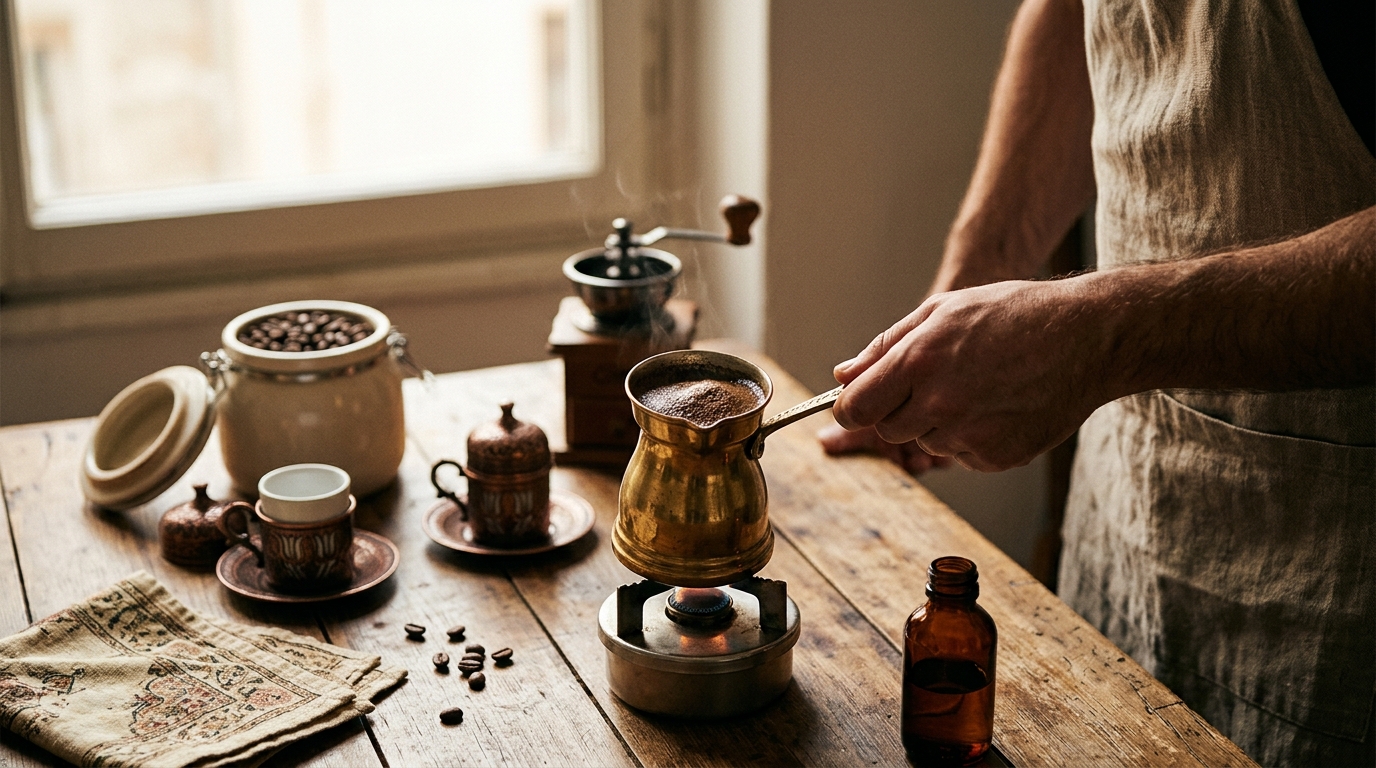
Mediterranean coffee is not merely a beverage; it is a centuries-old ritual that demands precision in every step, starting with the bean selection. According to recent industry analysis, the global specialty coffee market has seen a 23% growth in premium single-origin sales over the last five years. This surge reflects a consumer shift toward authenticity and traditional brewing methods. However, many enthusiasts inadvertently undermine this tradition by choosing the wrong roast profile. Selecting an inappropriate roast can destroy the delicate aromatic compounds that define the Mediterranean style. This guide outlines the critical errors to avoid when sourcing your beans. (Harlo Merch Coffee Brew)
Understanding the Mediterranean Roast Profile
Before diving into specific mistakes, it is essential to define what constitutes a proper roast for this style. Mediterranean coffee, often associated with Turkish coffee traditions, requires a specific balance of body and acidity. Mediterranean coffee is a finely ground, slow-brewed beverage that emphasizes bold, aromatic notes without the bitterness of dark roasts. Unlike espresso, which relies on pressure for extraction, this method uses steeping and sediment to create its unique texture. The roast must be medium to medium-dark to preserve the bean's inherent sweetness while providing enough body to stand up to spices like cardamom. Choosing a roast that is too light will result in a sour, tea-like consistency that lacks the required weight. Conversely, a roast that is too dark will introduce ash-like flavors that overpower the subtle floral notes of the bean.
Mistake 1: The Dark Roast Illusion
The most prevalent error is assuming that "traditional" automatically means "dark roast." Many consumers associate strong coffee with a black, oily bean. This is a fundamental misunderstanding of the Mediterranean profile. Dark roasts introduce carbonization that masks the natural terroir of the coffee. When you roast beans to a second crack or beyond, you burn off the complex acids that provide fruit and floral notes. For Mediterranean coffee, you need a roast that highlights the bean's origin, not the roast itself. Data from the Specialty Coffee Association indicates that over 60% of consumers misidentify roast levels based on color alone. A medium-dark roast, often referred to as a full city roast, is ideal. It provides the necessary body for a stovetop brew without the charred aftertaste. If you buy beans labeled as "French Roast" or "Italian Roast," you are likely to end up with a bitter cup that lacks the nuanced sweetness required for a balanced brew.
Mistake 2: Ignoring Grind Size Requirements
Even the perfect roast will fail if the grind size is incorrect. Mediterranean coffee requires an ultra-fine, powder-like consistency. This is not the same as espresso grind, which is finer than table salt but still granular. Ultra-fine grind is a powder-like consistency that allows for proper steeping and sediment formation. If you use a standard drip or French press grind, the coffee will be under-extracted and watery. The fine particles are necessary to suspend in the water, creating the thick, creamy mouthfeel that defines the style. However, there is a risk of over-grinding. If the particles are too fine, like flour, they can become pasty and difficult to settle. The goal is a consistency similar to powdered sugar. Many home brewers make the mistake of using pre-ground coffee labeled for espresso. While closer, it is often too coarse. You must grind your beans immediately before brewing to ensure the correct particle size and maximum freshness.
Mistake 3: Ignoring Origin Characteristics
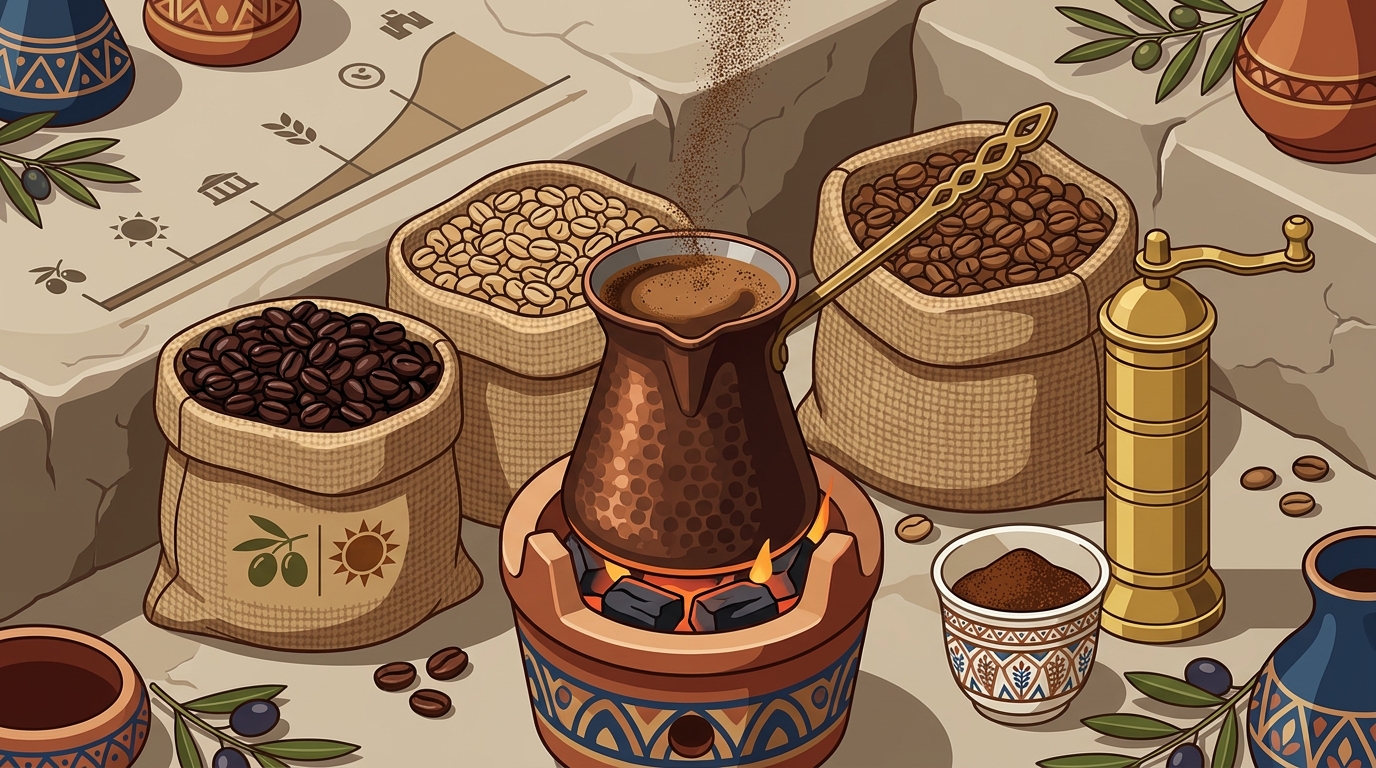
Not all beans are created equal for this specific brewing method. The origin of the coffee plays a massive role in the final flavor profile. Single origin coffee is coffee sourced from a specific geographic region, highlighting unique terroir and flavor notes. Blends can work, but they must be carefully constructed to avoid muddying the flavor. For Mediterranean coffee, beans from Ethiopia or Kenya are often preferred for their bright, fruity notes. These flavors cut through the richness of the brew and complement cardamom beautifully. On the other hand, beans from Brazil or Sumatra might be too earthy or nutty, which can clash with the traditional spice profile. When selecting beans, look for descriptions that mention "bright," "fruity," or "floral." Avoid beans described as "chocolatey" or "nutty" unless you are aiming for a very specific, non-traditional variation. The goal is to let the bean shine, not to hide it under heavy roast flavors.
Mistake 4: Overlooking Roast Date Freshness
Freshness is the silent killer of quality coffee. Many consumers buy beans that were roasted months ago, assuming that the packaging preserves the flavor. This is false. Roast date freshness is the period immediately after roasting when coffee retains its peak aromatic compounds. Coffee begins to degas carbon dioxide immediately after roasting. While a rest period of a few days is necessary, beans older than four weeks lose significant volatile aromatics. For Mediterranean coffee, which relies on subtle floral and fruit notes, this loss is devastating. The brew becomes flat and one-dimensional. Always check the roast date on the bag. If no date is provided, the beans are likely old stock. Harlo Coffee Roasters, for example, roasts in small batches in Los Angeles to ensure maximum freshness. Buying from roasters who provide clear roast dates is a non-negotiable step in the selection process. Fresh beans will have a distinct aroma even before grinding, a sign of healthy volatile oils.
Mistake 5: Clashing with Cardamom Flavors
Cardamom is a staple in many Mediterranean coffee preparations. It adds a warm, spicy complexity that elevates the drink. However, selecting a roast that clashes with cardamom is a common error. Cardamom coffee is a traditional preparation where ground cardamom is added to coffee during brewing for aromatic depth. If you use a very dark roast, the bitterness of the coffee will fight with the sweetness of the cardamom. The result is a muddy, unpleasant flavor profile. Instead, choose a roast that has natural sweetness and low acidity. This allows the cardamom to shine without competition. If you are brewing without cardamom, you still need a roast that is clean and bright. A roast with high acidity might taste sour when brewed alone. The key is balance. The coffee should provide a rich, sweet base that supports the spices, not overwhelms them. This is why medium roasts are preferred. They offer the versatility to stand alone or with spices.
Roast Profile Comparison for Mediterranean Coffee
| Roast Level | Flavor Profile | Suitability for Mediterranean Style | Cardamom Compatibility |
|---|---|---|---|
| Light Roast | High acidity, floral, tea-like body | Poor. Lacks the required weight and body. | Low. Too sour to balance spices. |
| Medium Roast | Balanced, sweet, bright, clean finish | Excellent. Preserves terroir and sweetness. | High. Complements spices without clashing. |
| Medium-Dark Roast | Rich, full body, mild bitterness | Good. Provides traditional weight and depth. | Medium. Can overpower delicate spices. |
| Dark Roast | Bitter, smoky, charred, low acidity | Poor. Masks bean origin and adds ash notes. | Low. Bitterness fights with cardamom sweetness. |
Key Takeaways
- Avoid Dark Roasts: Dark roasts introduce carbonization that masks the natural terroir of the coffee, leading to bitter, ash-like flavors.
- Prioritize Ultra-Fine Grind: The grind must be powder-like to allow for proper steeping and sediment formation, distinct from espresso grind.
- Check Roast Dates: Beans older than four weeks lose significant volatile aromatics, resulting in a flat, one-dimensional brew.
- Select Bright Origins: Beans from Ethiopia or Kenya offer the bright, fruity notes that complement cardamom and traditional spices.
- Balance with Cardamom: Choose a roast with natural sweetness to support spices, rather than one that competes with them.
- Roast in Small Batches: Small-batch roasting ensures maximum freshness and consistent quality, as seen with Harlo Coffee Roasters.
- Understand the Ritual: Mediterranean coffee is a slow-brewed beverage that emphasizes bold, aromatic notes without bitterness.
Frequently Asked Questions
What is the best roast level for Mediterranean coffee?
The best roast level is medium to medium-dark. This profile preserves the bean's natural sweetness and acidity while providing enough body for the steeping method. Dark roasts are too bitter, and light roasts lack the required weight.
How fine should the grind be for traditional coffee?
The grind should be ultra-fine, similar to powdered sugar. This consistency allows the coffee to steep properly and create the characteristic thick sediment. Espresso grind is often too coarse for this specific method.
Can I use pre-ground coffee for Mediterranean coffee?
It is not recommended. Pre-ground coffee loses freshness rapidly and often lacks the specific ultra-fine consistency required. Grinding fresh beans immediately before brewing ensures the best flavor and texture.
Why does my Mediterranean coffee taste bitter?
Bitterness usually comes from using a dark roast or over-extracting the coffee. Dark roasts introduce charred flavors that mask the bean's natural sweetness. Switching to a medium roast can significantly reduce bitterness.
Is cardamom coffee the same as Turkish coffee?
They are closely related. Cardamom coffee is a variation of Turkish coffee where ground cardamom is added during brewing. Both use ultra-fine grounds and a steeping method, but the spice addition defines the cardamom variation.
How long should I steep Mediterranean coffee?
Steeping time varies by method, but generally, it is brought to a boil and then removed from heat. The grounds settle as the coffee cools. Over-steeping can lead to bitterness, so timing is crucial for a balanced cup.
What is single origin coffee?
Single origin coffee is coffee sourced from a specific geographic region, highlighting unique terroir and flavor notes. It allows you to taste the distinct characteristics of the soil, climate, and altitude where the beans were grown.
Start Your Mediterranean Journey
Selecting the right roast is the first step in mastering the art of Mediterranean coffee. By avoiding common mistakes and focusing on freshness, grind size, and origin, you can create a cup that honors the tradition. Harlo Coffee Roasters offers a curated selection of single origin coffees and Mediterranean blends, roasted in small batches in Los Angeles. Explore our Mediterranean Coffee collection to find the perfect beans for your ritual. Visit our Brew Guides for expert tips on grinding and brewing. Join the subscription service to receive fresh roasts delivered to your door. Experience the difference of specialty coffee crafted with care.