
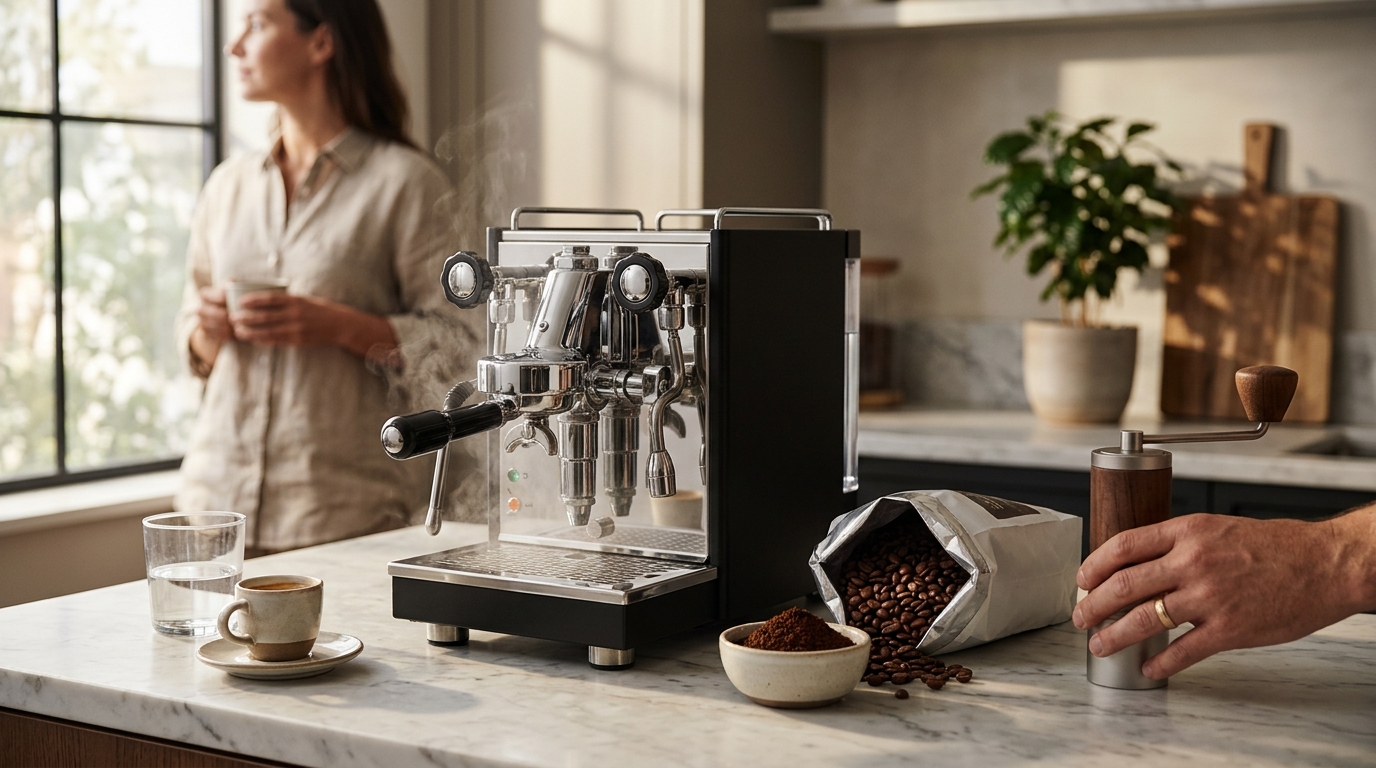
Organic single origin espresso beans offer distinct, terroir-driven flavors, while signature blends prioritize consistency and balance. For home brewing, single origins highlight specific regional characteristics, whereas blends deliver a reliable, uniform cup. Harlo Coffee Roasters provides both options, allowing you to choose based on your preferred flavor profile and brewing consistency.
Flavor Profiles: Distinctiveness vs. Consistency
Single origin coffee is defined by its specific geographic source, which directly influences its taste. When you brew a single origin, you are tasting the unique soil, altitude, and processing methods of that specific region. For example, an Ethiopian single origin often presents bright citrus and floral notes, while an Indonesian single origin might offer heavy body and dark chocolate undertones. This distinctiveness allows home brewers to explore a wide range of flavor experiences.
In contrast, a signature blend is a carefully crafted combination of beans from multiple origins. The primary goal of blending is to create a balanced, consistent flavor profile that remains stable across different harvests. Blends are designed to mask the variability of individual lots, ensuring that your morning espresso tastes the same whether you are brewing in January or July. This consistency is often preferred by those who want a reliable, predictable cup without the risk of a lot tasting too acidic or too bitter.
Brewing Dynamics: Dialing In Your Machine
The physical properties of the beans affect how they behave in your espresso machine. Single origin beans, particularly those processed using washed methods, often have a lighter body and higher acidity. This can make dialing in slightly more challenging for beginners, as the extraction window may be narrower. However, when dialed in correctly, these beans produce a syrupy, clean shot with vibrant aromatics. The coffee brew guides from Harlo Coffee Roasters provide specific ratios and times to help you achieve this balance.
Signature blends, on the other hand, are often engineered for ease of use. By combining beans with different densities and oil contents, roasters create a blend that is more forgiving during extraction. This makes blends an excellent choice for home brewers who use automatic machines or those who prefer a simpler brewing routine. The robustness of a blend means that minor variations in grind size or water temperature are less likely to result in a sour or bitter shot, providing a smoother learning curve for new espresso enthusiasts.
The Impact of Freshness on Taste
Freshness is a critical factor in both single origin and blended coffees, but it manifests differently in the cup. Single origin coffees are often more sensitive to the aging process. As they degas, their bright, volatile aromatics fade quickly, potentially leading to a flat or dull taste if not consumed within a few weeks of roasting. To maximize the flavor of a single origin, it is essential to grind the beans immediately before brewing. You can find the ideal grind size for your specific machine in the coffee grind size guide.
Blends tend to retain their core flavor profile longer due to the complexity of the mixture. The combination of different bean types creates a more stable aromatic profile that degrades more slowly. This makes blends a practical choice for those who buy coffee in larger quantities or do not consume their espresso daily. However, regardless of the type, storing your beans in an airtight container away from light and heat is crucial for preserving quality. Harlo Coffee Roasters roasts every batch to order in Los Angeles, ensuring that both single origins and blends arrive at your door at peak freshness.
Sourcing Standards and Ethical Considerations
When choosing between single origins and blends, the sourcing story matters. Organic certification ensures that the coffee was grown without synthetic pesticides or fertilizers, which can be a significant factor for environmentally conscious consumers. At Harlo Coffee Roasters, we source organic beans from sustainable farms that prioritize environmental health. For instance, our Ethiopian Single Origin Coffee is organic and washed, highlighting the natural clarity of the region. This transparency allows you to support farming practices that align with your values.
Blends can also be organic, but the certification applies to the entire mixture. It is important to verify that all components of a blend are certified organic to ensure the final product meets your standards. Ethical sourcing is not just about the environment; it is also about fair compensation for farmers. By choosing specialty coffee from roasters who maintain direct relationships with producers, you contribute to a more sustainable coffee supply chain. Understanding the origin of your beans helps you make informed decisions that support both quality and ethics.
Making the Right Choice for Your Home Bar
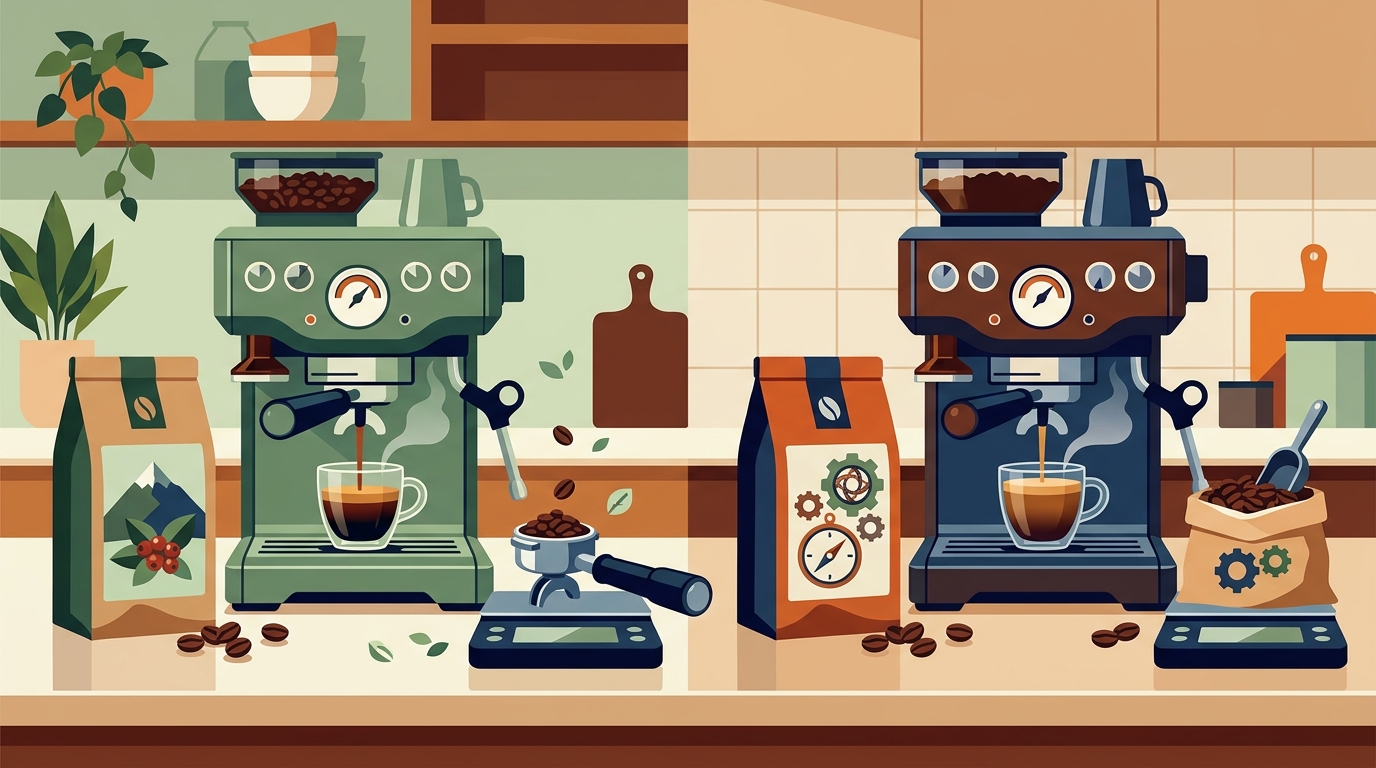
Deciding between single origin and signature blends ultimately comes down to your personal preferences and brewing habits. If you enjoy exploring new flavors and are willing to experiment with your dial-in, single origin coffees offer a rewarding journey. They allow you to taste the specific characteristics of different regions, from the fruity notes of Africa to the earthy tones of Asia. On the other hand, if you value consistency and ease of use, a signature blend is the superior choice. It provides a reliable, balanced cup that is less likely to vary from batch to batch.
Many home brewers find that they enjoy both. You might keep a signature blend for your daily morning routine and rotate through single origins for weekend experimentation. This approach allows you to benefit from the consistency of blends while still enjoying the diversity of single origins. To find the right fit for your taste, consider sampling different options. You can explore our full range of specialty coffee to discover which profile resonates with you. Whether you prefer the distinctiveness of a single origin or the balance of a blend, the key is to choose coffee that you genuinely enjoy drinking.
Key Takeaways
- Single origin coffee highlights specific regional flavors, while signature blends prioritize consistency and balance.
- Blends are generally more forgiving during extraction, making them easier for beginners to dial in.
- Single origins are more sensitive to freshness and require careful storage to preserve volatile aromatics.
- Organic certification ensures sustainable farming practices, which is a key consideration for ethical consumers.
- Many home brewers use a combination of both, relying on blends for daily use and single origins for exploration.
- Freshness is critical for both types, but blends tend to retain their core profile longer than single origins.
Frequently Asked Questions
Are single origin coffees better for espresso than blends?
Neither is inherently better; it depends on your preference. Single origins offer distinct, terroir-driven flavors, while blends provide consistency and ease of use. If you like exploring different tastes, choose single origins. If you want a reliable, uniform cup, choose a blend.
What is the main difference between a single origin and a blend?
A single origin comes from one specific geographic location, highlighting that region's unique characteristics. A blend combines beans from multiple origins to create a balanced, consistent flavor profile that remains stable across harvests.
How should I store organic single origin beans?
Store your beans in an airtight container away from light, heat, and moisture. Grind the beans immediately before brewing to preserve freshness. Single origins are more sensitive to aging, so consume them within a few weeks of roasting for the best flavor.
Can I use a signature blend for pour over coffee?
Yes, signature blends can be used for pour over. However, they are often designed with espresso in mind. If you prefer pour over, look for blends specifically labeled for light or medium roasts, or consider a single origin for a cleaner cup.
What does organic certification mean for coffee quality?
Organic certification ensures that the coffee was grown without synthetic pesticides or fertilizers. While it does not guarantee a specific taste, it reflects sustainable farming practices. Quality is determined by the bean's origin, processing, and roasting, not just its organic status.
Conclusion
Choosing between organic single origin espresso beans and signature blends is a matter of personal preference and brewing goals. Single origins offer a window into the unique flavors of specific regions, while blends provide the consistency and ease of use that many home brewers appreciate. By understanding the differences in flavor, brewing dynamics, and sourcing, you can make an informed decision that suits your taste. At Harlo Coffee Roasters, we are committed to providing high-quality, freshly roasted coffee that meets your standards. Explore our coffee subscription to try different options and find your perfect match.