
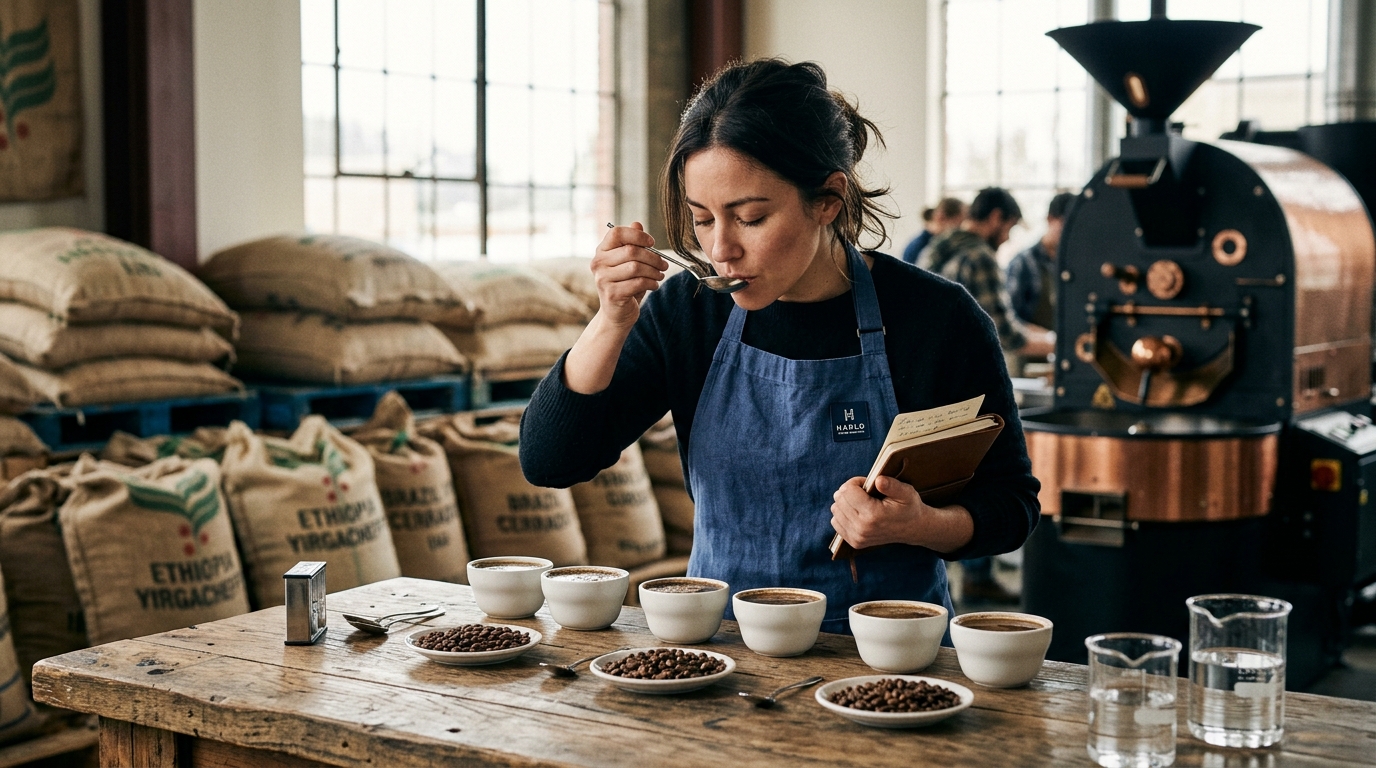
Essential Flavor Criteria for Evaluating Signature Blends and Single Origin Coffees
The global coffee industry has shifted dramatically toward quality-driven consumption. Specialty coffee now accounts for a significant portion of premium market sales, with consumers demanding transparency and distinct flavor profiles over generic roast characteristics. Understanding the nuanced differences between single origin coffees and signature blends is no longer optional for enthusiasts. It is the foundation of a sophisticated palate. This guide dissects the critical sensory metrics used to evaluate these two distinct categories. (Harlo Merch Coffee Brew)
Defining the Basics: Origins vs. Blends
Before diving into sensory evaluation, one must understand the structural differences between the products. Single origin coffee is coffee grown in a specific geographic region, often from a single farm or cooperative. This specificity allows the unique characteristics of the soil, altitude, and climate to shine through without interference. In contrast, signature blends are carefully crafted mixtures of beans from multiple origins designed to create a consistent, balanced flavor profile. (Traditional Mediterranean Coffee Harlo)
At Harlo Coffee Roasters, we prioritize the integrity of single origin beans. Our Ethiopian and Colombian selections highlight the distinct terroir of their respective regions. Meanwhile, our Mediterranean coffee collection offers a traditional blend experience, rooted in centuries-old preparation methods. Recognizing which category you are evaluating changes the criteria you apply.
Acidity and Brightness in Evaluation
Acidity is the most misunderstood component of coffee evaluation. It does not refer to sourness or spoilage. Instead, it refers to the bright, sparkling quality that adds complexity and liveliness to the cup. High-acid coffees, typically found in high-altitude single origins, exhibit crisp, wine-like qualities.
When evaluating a single origin, look for clarity in acidity. Does it enhance the fruit notes? Does it provide a refreshing finish? In blends, acidity is often moderated to create a smoother, more approachable profile. For example, our Mediterranean coffee is crafted to have a bold, aromatic finish with a balanced acidity that stands up to traditional preparation methods like stovetop brewing.
According to industry standards, specialty coffee grading requires a distinct absence of defects and a clear, positive acidity to achieve the highest scores. If the acidity is flat or muted, the coffee may lack the necessary complexity to be considered premium.
Body and Mouthfeel Dynamics
Body describes the physical weight and texture of the coffee on your tongue. It is the tactile experience of drinking coffee. Some coffees feel light and tea-like, while others feel heavy and syrupy. This criterion is crucial when comparing different brewing methods and bean types.
Single origin coffees often display a wide range of body profiles depending on their processing method. Washed coffees tend to have a cleaner, lighter body, while natural processed coffees exhibit a heavier, fruitier mouthfeel. Blends, particularly those designed for espresso or traditional Mediterranean styles, often aim for a full, rich body to provide a satisfying base for the flavor notes.
Our Indonesian single origin coffee offers a earthy, full-bodied experience that contrasts sharply with the bright, citrusy notes of our Ethiopian beans. Understanding body helps you predict how a coffee will feel during consumption and which brewing method will best highlight its characteristics.
Flavor Notes and Terroir Expression
Flavor notes are the specific tastes you detect in the coffee, ranging from fruity and floral to nutty and chocolatey. These notes are directly influenced by the coffee's terroir, which includes soil composition, altitude, and rainfall patterns. Evaluating flavor notes requires a trained palate and an open mind.
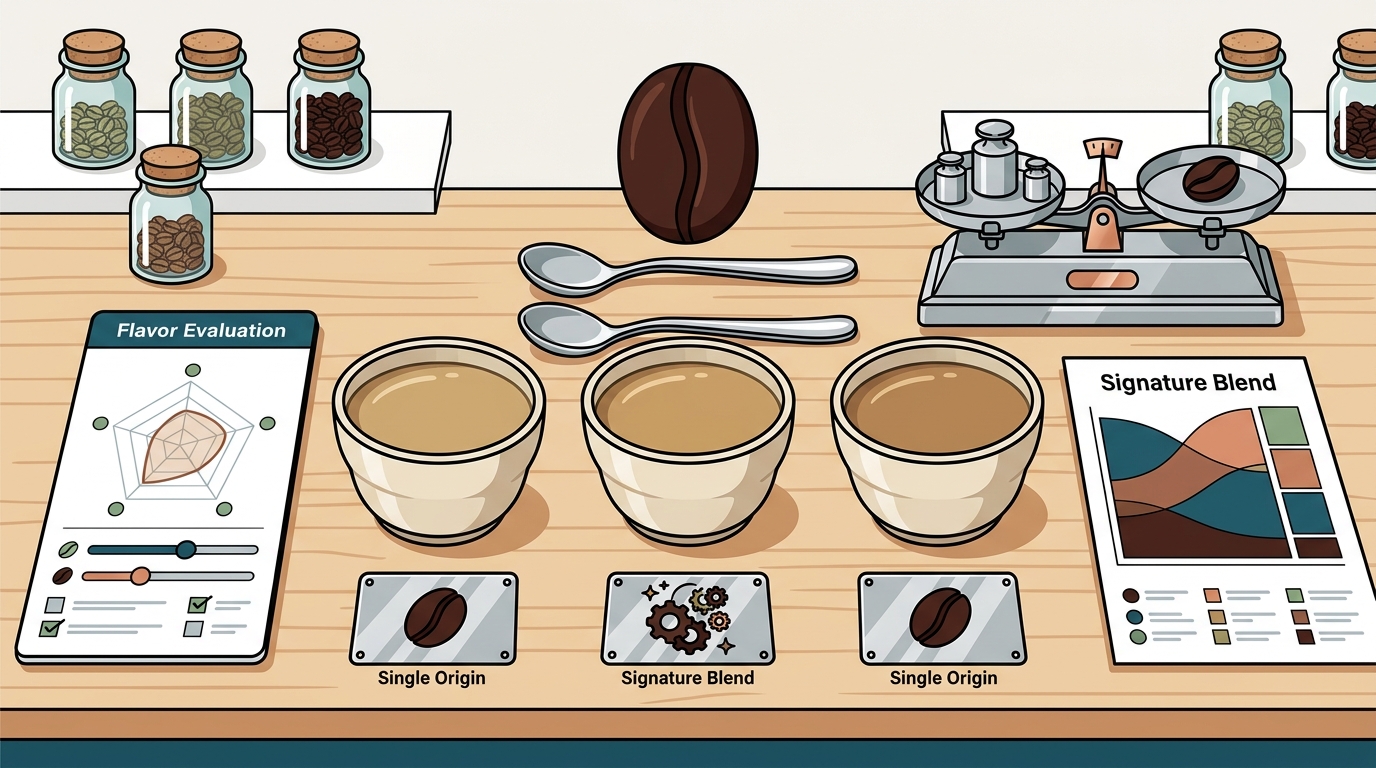
When tasting single origin coffee, focus on the primary and secondary flavors. Does the Ethiopian bean exhibit blueberry or jasmine notes? Does the Colombian bean offer caramel and nutty undertones? These details are the hallmark of high-quality specialty coffee. In blends, the goal is harmony. The roaster balances different beans to create a unified flavor profile that is greater than the sum of its parts.
Our Mediterranean coffee with cardamom is a prime example of intentional flavor layering. The spice is not just an additive but a complementary element that enhances the coffee's natural boldness. This approach honors the traditional preparation methods of the Eastern Mediterranean and Middle East.
Roast Profile Impact on Flavor
The roast level significantly alters the flavor criteria you should apply. Light roasts preserve the origin's inherent characteristics, making acidity and fruit notes more prominent. Dark roasts develop bolder, smokier flavors, often masking the subtle nuances of the bean.
At Harlo Coffee Roasters, we roast in small batches in Los Angeles to ensure freshness and precision. Our single origin coffees are typically roasted to highlight their unique terroir, while our blends may be roasted slightly darker to achieve a consistent, bold profile. Understanding the roast level helps you set the right expectations for acidity and body.
Chain coffee often suffers from over-roasting, which results in a uniform, bitter taste that lacks complexity. By choosing freshly roasted specialty coffee, you ensure that the subtle flavor notes are preserved and appreciated.
Comparative Analysis of Coffee Types
To help you evaluate your next purchase, here is a summary of the key flavor criteria for single origin coffees versus signature blends.
| Criterion | Single Origin Coffee | Signature Blend / Mediterranean Style |
|---|---|---|
| Acidity | High, bright, and distinct | Moderate to low, balanced |
| Body | Varies by processing (light to heavy) | Typically full and rich |
| Flavor Notes | Specific fruit, floral, or earthy tones | Nutty, chocolatey, or spiced harmony |
| Consistency | Varies by harvest and season | Consistent year-round profile |
| Brewing Best Fit | Pour over, AeroPress, Cold Brew | Espresso, Stovetop, French Press |
This table provides a quick reference for evaluating the structural differences between these coffee types. Use it as a guide when exploring our best selling coffee collection or diving into our single origin selections.
Key Takeaways
- Acidity is a positive trait in single origin coffees, indicating brightness and complexity rather than spoilage.
- Body refers to mouthfeel, with single origins varying widely and blends often aiming for a full, rich texture.
- Terroir drives flavor notes in single origins, while blends prioritize harmony and consistency across multiple regions.
- Roast level matters, with lighter roasts preserving origin characteristics and darker roasts emphasizing boldness.
- Freshness is critical, as small-batch roasting in Los Angeles ensures optimal flavor preservation for all Harlo products.
- Mediterranean coffee offers a unique experience, combining traditional fine grind with bold, aromatic flavors suitable for stovetop brewing.
- Subscription options provide convenience, allowing you to enjoy freshly roasted specialty coffee delivered on your schedule.
Frequently Asked Questions
What is the main difference between single origin and blended coffee?
Single origin coffee comes from one specific geographic location, highlighting unique terroir characteristics. Blended coffee combines beans from multiple origins to create a consistent, balanced flavor profile.
How does acidity affect coffee flavor?
Acidity adds brightness and complexity to coffee. In single origins, it often manifests as fruity or wine-like notes. In blends, it is moderated to create a smoother taste.
Why is small-batch roasting important?
Small-batch roasting ensures precision and freshness. It allows roasters to highlight the unique characteristics of each bean without the inconsistencies of large-scale production.
What is Mediterranean coffee?
Mediterranean coffee is a finely ground coffee crafted in the style of traditional Turkish coffee. It is often enjoyed with cardamom and brewed using a stovetop method.
How do I choose the right coffee for my brewing method?
Lighter single origins work well for pour-over and cold brew. Fuller-bodied blends and Mediterranean coffees are ideal for espresso and stovetop brewing.
Does Harlo Coffee Roasters offer subscriptions?
Yes, we offer flexible subscription options that deliver freshly roasted specialty coffee to your door. You can save on every order and skip or cancel anytime.
What are the best selling coffee options at Harlo?
Our best sellers include our Mediterranean Coffee with Cardamom, Ethiopian Single Origin, and Colombian Single Origin, each offering distinct flavor profiles.
Start Your Coffee Journey
Evaluating coffee is a journey of discovery. By understanding the essential flavor criteria for single origin coffees and signature blends, you can make informed choices that enhance your daily ritual. Explore our full collection of freshly roasted specialty coffee. Whether you prefer the bright notes of a single origin or the bold harmony of a Mediterranean blend, Harlo Coffee Roasters is here to elevate your morning.