
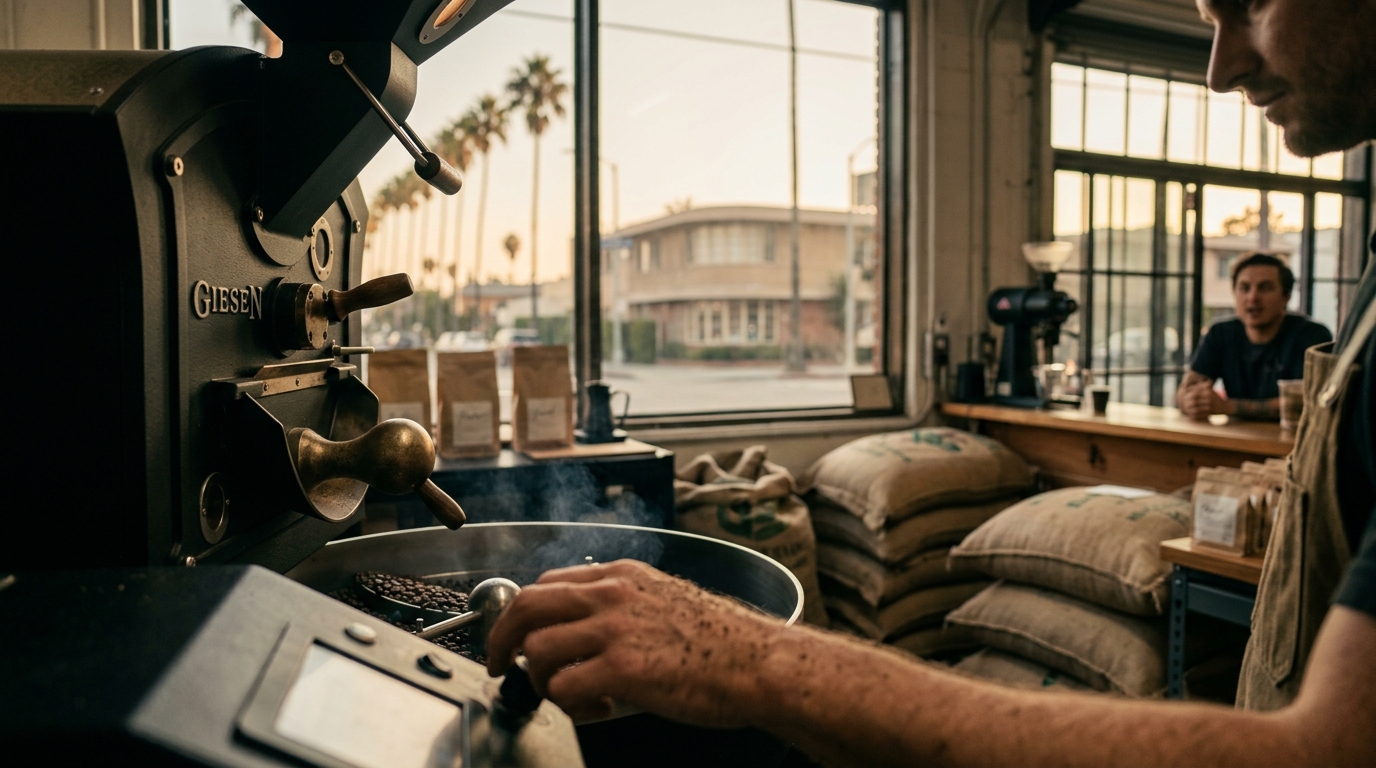
Los Angeles is home to over 1,500 coffee shops, yet the distinction between a fleeting trend and a lasting institution lies in the roasting process. According to the National Coffee Association, 66% of Americans drink coffee daily, but only a fraction seek out the nuanced profiles offered by independent roasters. The challenge for consumers is navigating a market saturated with marketing claims while lacking the technical knowledge to verify freshness. This guide provides the exact framework used by industry professionals to evaluate roasters, ensuring you invest in beans that meet rigorous quality standards.
Understanding Roast Dates and Freshness Windows
The single most critical indicator of coffee quality is the roast date. Unlike wine, which improves with age, specialty coffee is a perishable agricultural product with a peak flavor window. Roast date is the expiration date for peak flavor. Most independent roasters in Los Angeles, including those operating in the Arts District or Silver Lake, prioritize beans roasted within the last 14 days. If a bag lacks a clear, handwritten, or printed roast date, it is a significant red flag.
Consumers often confuse the "best by" date with the roast date. The "best by" date is a legal requirement for shelf-life estimation, often set 6 to 12 months out, but it tells you nothing about the current state of the bean. A bean roasted on January 1st may be at its peak on January 20th but stale by March. According to data from the Specialty Coffee Association, coffee begins to lose volatile aromatic compounds within 24 hours of roasting. Therefore, the ideal consumption window is between 7 and 21 days post-roast for most brewing methods.
When evaluating a roaster, look for transparency. Do they list the roast date on the front of the bag? Do they provide a "de-gassing" recommendation? A reputable roaster will guide you on when to open the bag to allow carbon dioxide to escape, a process essential for proper extraction during brewing. If the roaster cannot explain their de-gassing protocol, they likely lack the technical depth to ensure consistent quality.
Bean Origin and Sourcing Transparency
Quality begins at the farm. The geographic origin of the bean dictates its fundamental flavor profile, from the bright acidity of Ethiopian Yirgacheffe to the chocolatey body of Brazilian Santos. Origin transparency is the foundation of specialty coffee integrity. Top-tier LA roasters do not just list the country; they specify the region, farm, or cooperative, and often the altitude at which the coffee was grown.
Altitude is a crucial metric. Coffee grown at higher elevations (1,800 meters or more) matures more slowly, resulting in denser beans with more complex sugar development. This density allows for a more intricate roast profile. According to industry reports from the Coffee Quality Institute, high-altitude coffees consistently score higher in cupping evaluations due to this structural density. When a roaster lists "high-grown" or specific altitude ranges, it signals a commitment to premium raw materials.
Furthermore, examine the supply chain narrative. Does the roaster mention direct trade relationships? Direct trade implies that the roaster has established a direct financial relationship with the farmer, bypassing traditional export/import layers. This model often results in higher prices for farmers and more consistent, traceable supply for the roaster. While "fair trade" certification is valuable, it is a baseline standard. Direct trade is a proactive commitment to quality and ethical sourcing that distinguishes elite roasters from commodity traders.
Roasting Philosophy and Profile Consistency
Roasting is the alchemy that transforms green beans into the aromatic product we know. However, not all roasting styles are created equal. The two primary philosophies are light roast and dark roast. Light roasts preserve the origin characteristics, highlighting floral, fruity, and tea-like notes. Dark roasts emphasize the roast character, bringing out smoky, chocolatey, and nutty flavors.
Consistency is more important than style. A roaster may excel at light roasts, but if their profile shifts unpredictably from batch to batch, the quality is compromised. Look for roasters who publish their roast profiles or describe the intended flavor notes in detail. If a bag claims "blueberry and jasmine" notes, the roaster should be able to explain the processing method (washed, natural, or honey) that contributes to those flavors.
Additionally, consider the roaster's approach to experimentation. Do they offer single-origin beans that change seasonally? Seasonal offerings indicate that the roaster is actively sourcing from different harvests, ensuring you are always drinking the freshest available crop. A static menu of year-round blends may suggest a reliance on older stock or less dynamic sourcing networks. The best LA independent roasters rotate their offerings to reflect the global coffee calendar.
Quality Control Metrics and Cupping
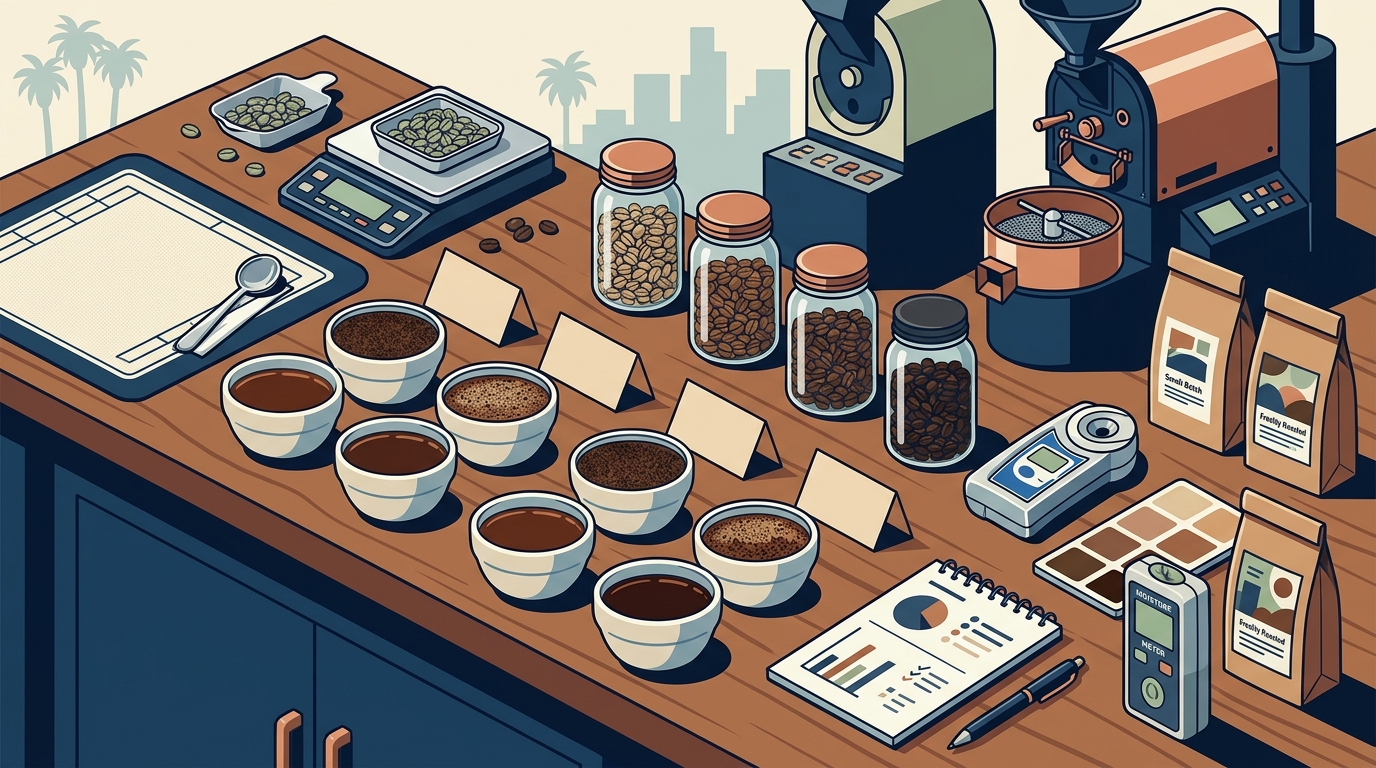
How does a roaster ensure that every bag meets their standards? The answer lies in cupping, the professional tasting protocol used in the coffee industry. Cupping is the standardized method for evaluating coffee quality. It involves grinding the coffee, adding hot water, and tasting the slurry to identify defects, aroma, acidity, body, and aftertaste.
Reputable roasters conduct cupping sessions for every new lot of green coffee before it is roasted. They also cup the roasted product to ensure it matches the target profile. If a roaster cannot articulate their cupping scores or the specific defects they are screening for (such as quakers, insect damage, or underdevelopment), they are likely operating on intuition rather than data. Data-driven roasting is the hallmark of modern specialty coffee.
Look for roasters who share their cupping notes publicly. These notes provide a roadmap for what you should expect in the cup. If the notes are vague (e.g., "tastes good"), the roaster lacks the vocabulary or discipline to define quality. Precise descriptors like "citrus zest," "brown sugar," or "jasmine tea" indicate a high level of sensory acuity and quality control.
Packaging and Storage Integrity
The final step in preserving freshness is packaging. Coffee beans release carbon dioxide after roasting, a process known as degassing. If this gas is trapped in the bag, it can cause the bag to burst or, worse, allow oxygen to enter, accelerating staling. One-way degassing valves are essential for coffee freshness. These valves allow CO2 to escape without letting oxygen in.
Examine the bag material. Is it opaque? Light degrades coffee oils rapidly. Is it airtight? Many premium roasters use foil-lined bags with strong seals. Additionally, consider the storage conditions at the point of sale. If the roaster stores their beans in clear glass jars under bright lights, the quality is already compromised before you buy it. Look for roasters who store their inventory in cool, dark, and dry environments.
Another indicator of quality is the roaster's inventory turnover. A roaster with a high volume of sales will naturally have fresher beans on the shelf. If you see bags with roast dates from several weeks ago still in stock, it may indicate slow sales or poor inventory management. Freshness is not just about the roast date; it is about the speed at which the coffee moves from the roaster to your cup.
Comparison of Evaluation Criteria
| Criterion | High Quality Indicator | Low Quality Indicator |
|---|---|---|
| Roast Date | Clearly printed within last 14 days | No date or "best by" date only |
| Origin Info | Specific farm, region, and altitude | Generic "Latin America" or "Blend" |
| Packaging | Opaque, airtight, with degassing valve | Clear bag, no valve, or poor seal |
| Sourcing | Direct trade or transparent supply chain | No sourcing information provided |
| Quality Control | Published cupping notes and scores | Vague flavor descriptions |
Key Takeaways
- Roast Date is King: Always check the roast date. Coffee is at its peak 7-21 days after roasting.
- Origin Matters: Look for specific farm or region details, not just country names.
- Altitude Impacts Flavor: Higher altitude coffees generally offer more complexity and acidity.
- Direct Trade Signals Quality: Direct relationships with farmers often lead to better beans and ethical practices.
- Cupping is Essential: Reputable roasters use professional cupping to ensure consistency and quality.
- Packaging Protects Freshness: Opaque, airtight bags with degassing valves are non-negotiable.
- Inventory Turnover: High sales volume ensures fresher beans on the shelf.
Frequently Asked Questions
How long does coffee stay fresh after roasting?
Coffee is typically at its peak flavor between 7 and 21 days after roasting. After this window, the volatile aromatic compounds begin to dissipate, leading to a flatter taste profile.
What is the difference between light and dark roast?
Light roasts preserve the origin characteristics of the bean, highlighting fruity and floral notes. Dark roasts emphasize the roast character, bringing out smoky and chocolatey flavors. The choice depends on personal preference, not quality.
Why is the roast date more important than the expiration date?
The expiration date is a legal requirement for shelf-life estimation, often set months in advance. The roast date tells you when the coffee was actually processed, allowing you to judge its current freshness and peak flavor window.
What is a one-way degassing valve?
A one-way degassing valve allows carbon dioxide, released by the coffee after roasting, to escape the bag without letting oxygen in. This prevents the bag from bursting and protects the coffee from oxidation.
How can I tell if a roaster practices direct trade?
Look for specific information about their relationships with farmers on their website or packaging. Direct trade roasters often share stories, photos, and financial details about their sourcing partnerships.
Does altitude affect coffee taste?
Yes. Coffee grown at higher altitudes matures more slowly, resulting in denser beans with more complex sugar development. This leads to a more intricate and acidic flavor profile.
What is cupping?
Cupping is the professional tasting protocol used in the coffee industry to evaluate coffee quality. It involves grinding the coffee, adding hot water, and tasting the slurry to identify defects and flavor notes.
Why should I buy from an independent roaster?
Independent roasters often prioritize quality over quantity, offering more diverse and seasonal offerings. They are more likely to engage in direct trade and provide detailed origin information, ensuring a higher standard of freshness and flavor.
Start Your Coffee Journey
Evaluating LA independent coffee roasters requires a keen eye for detail and a commitment to freshness. By focusing on roast dates, origin transparency, and quality control metrics, you can ensure that every cup you brew meets the highest standards. At Harlo Coffee Roasters, we embody these principles in every batch we roast. We source directly from farmers, roast with precision, and package with care to deliver the freshest coffee to your door. Explore our current offerings and experience the difference that true quality makes.