
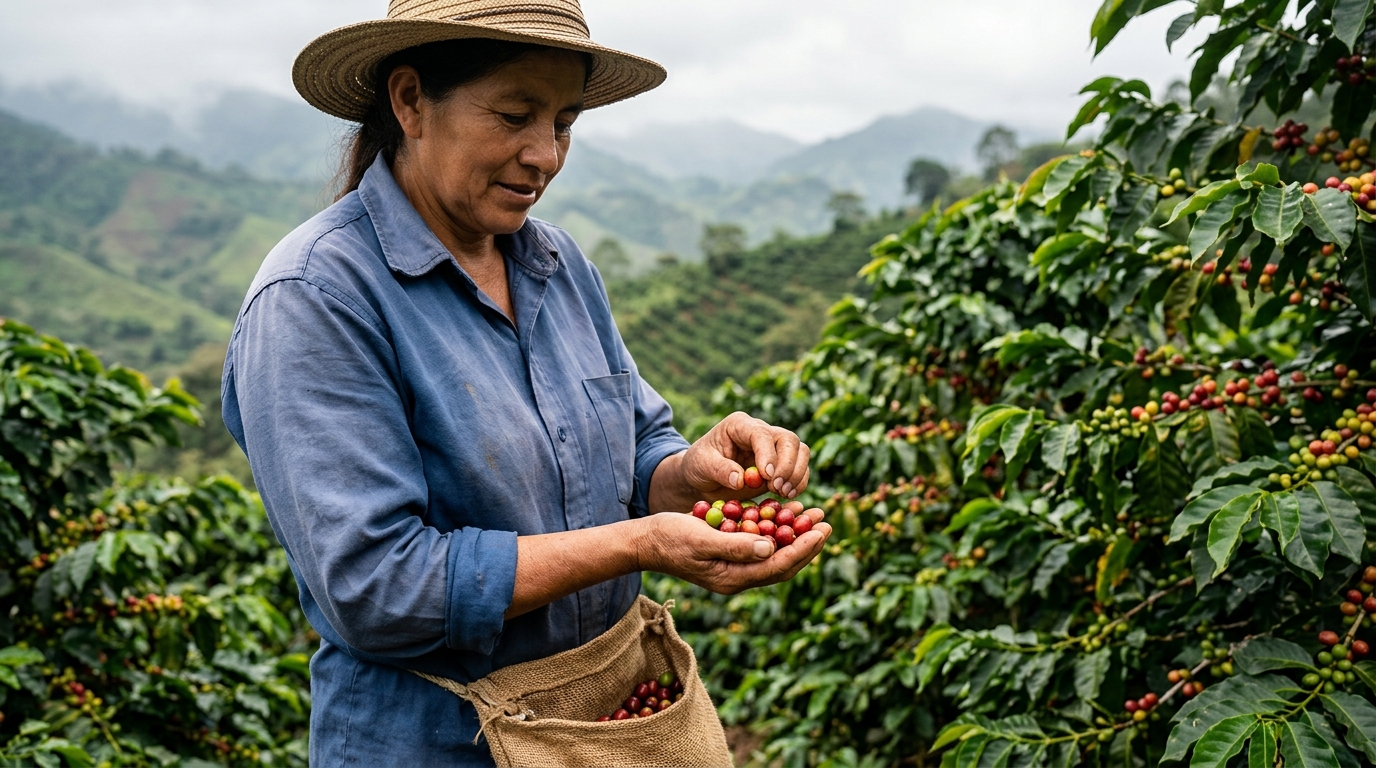
Single origin coffee is defined as coffee beans harvested from a specific geographic location, such as a single farm, cooperative, or region, rather than a blend of beans from multiple countries. This distinct sourcing method allows the unique characteristics of the soil, altitude, and climate to shine through in every cup. According to recent industry data, the specialty coffee market has seen a significant growth in consumer demand for traceable, high-quality beans. This shift reflects a broader desire among drinkers to understand the journey of their coffee from seed to sip.
What Is Single Origin Coffee?
When you purchase single origin coffee, you are buying a product that tells a specific story. Unlike blended coffees, which mix beans from different countries to create a consistent, balanced flavor profile, single origin beans retain the distinct personality of their birthplace. This transparency is crucial for coffee enthusiasts who want to explore the nuances of flavor.
At Harlo Coffee Roasters, we believe that every bean has a voice. Our single origin selections are carefully sourced from trusted producers in Ethiopia, Colombia, Indonesia, and Peru. By roasting these beans in small batches in Los Angeles, we ensure that the delicate floral, fruity, or earthy notes are preserved. This approach aligns with the growing consumer preference for specialty single origin coffees that offer a unique tasting experience.
The Role of Terroir in Flavor
Terroir is a term borrowed from the wine industry, referring to the complete natural environment in which a particular crop is grown. In coffee, this includes altitude, soil composition, rainfall, and sunlight exposure. These factors directly influence the density of the bean and its sugar content, which ultimately determines the acidity and body of the brewed cup.
For example, high-altitude coffees tend to have higher acidity and more complex floral notes. Lower altitude beans often develop a heavier body and nuttier flavors. Understanding terroir helps you predict the taste profile before you even open the bag. This is why geography plays such a critical role in the final flavor of your morning brew.
Single Origin vs. Blends
Choosing between single origin and blends often depends on your personal taste preferences and brewing method. Single origin coffees are celebrated for their distinct, often surprising flavors. They are ideal for pour-over methods like the V60 or Chemex, where clarity of flavor is paramount. Blends, on the other hand, are crafted for consistency and balance, making them excellent choices for espresso drinks.
While blends provide a reliable, full-bodied experience year-round, single origins offer a journey of discovery. Each harvest brings slight variations due to weather conditions, making every bag of single origin coffee a unique artifact of its time and place. This variability is part of the charm for specialty coffee lovers who appreciate the art of roasting.
Major Growing Regions
The world of single origin coffee is vast, with major production zones in Africa, Latin America, and Asia. Each region contributes distinct characteristics to the global coffee landscape.
| Region | Typical Flavor Profile | Notable Characteristics |
|---|---|---|
| Ethiopia | Fruity, Floral, Bright | Birthplace of coffee; heirloom varietals |
| Colombia | Balanced, Nutty, Caramel | High altitude, consistent quality |
| Indonesia | Earthy, Spicy, Full Body | Wet-hulled processing method |
| Peru | Chocolate, Citrus, Mild | Organic farming practices |
Ethiopian coffees are particularly renowned for their complex acidity and wine-like qualities. Colombian beans are often the standard for balance, offering a smooth transition from acidity to sweetness. Indonesian coffees provide a heavy body and low acidity, perfect for those who prefer a robust cup. Peruvian beans are gaining popularity for their organic certification and mild, chocolatey notes.
Brewing Single Origin Beans
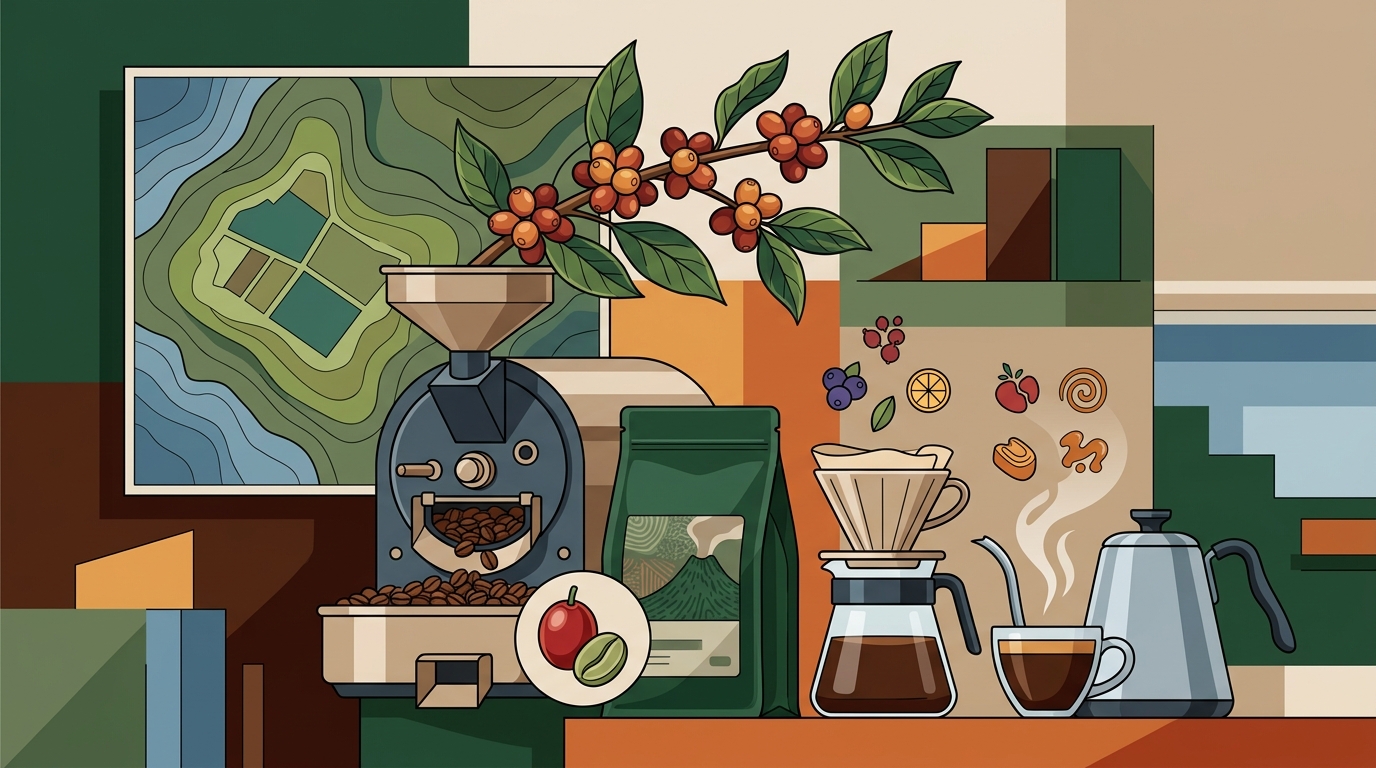
To fully appreciate the nuances of single origin coffee, proper brewing technique is essential. The grind size, water temperature, and extraction time all play a role in highlighting the bean's unique characteristics. For light roasts, which are common in single origins, a slightly higher water temperature can help extract the delicate floral notes.
We recommend exploring our brew guides for detailed instructions on pour-over, French press, and espresso methods. Using a gooseneck kettle allows for precise water flow, which is critical for even extraction. Additionally, grinding your beans just before brewing ensures maximum freshness and aroma. This practice is a cornerstone of expert coffee preparation.
Key Takeaways
- Single origin coffee comes from one specific location, preserving unique flavor traits.
- Terroir, including altitude and soil, significantly impacts the taste profile.
- Ethiopian beans often feature fruity and floral notes, while Colombian beans are balanced.
- Small-batch roasting in Los Angeles preserves the integrity of the bean.
- Pour-over methods best highlight the clarity of single origin flavors.
- Harlo Coffee Roasters offers a curated selection of global single origins.
- Buying direct supports sustainable farming practices in coffee-growing regions.
Frequently Asked Questions
Is single origin coffee better than blends?
Neither is inherently better; it depends on your taste preference. Single origins offer unique, distinct flavors, while blends provide consistency and balance.
Why is single origin coffee more expensive?
Single origin beans are often grown at higher altitudes and require more careful harvesting and processing, leading to higher production costs.
How should I store single origin coffee?
Store your coffee in an airtight container in a cool, dark place. Avoid refrigeration, as moisture can degrade the flavor.
What is the difference between light and dark roast single origins?
Light roasts highlight the bean's natural acidity and fruity notes, while dark roasts emphasize body and roasted flavors.
Can I subscribe to single origin coffee?
Yes, subscriptions allow you to receive fresh, roasted single origin beans delivered to your door on your schedule.
Does single origin coffee have more caffeine?
Caffeine content is more dependent on the roast level and brewing method than the origin. However, light roasts retain slightly more caffeine by volume.
What is Mediterranean coffee?
Mediterranean coffee is a finely ground coffee tradition, often enjoyed with cardamom, distinct from single origin specialty coffees.
How do I know if my coffee is fresh?
Fresh coffee will have a roast date on the bag and release gas when opened. Harlo roasts to order to ensure peak freshness.
Shop the Collection
Ready to explore the world of single origin coffee? Visit Harlo Coffee Roasters to browse our current selection of Ethiopian, Colombian, Indonesian, and Peruvian beans. Each bag is roasted in small batches in Los Angeles to ensure you receive the freshest possible product. Join our community of coffee enthusiasts and discover the unique story in every cup.