
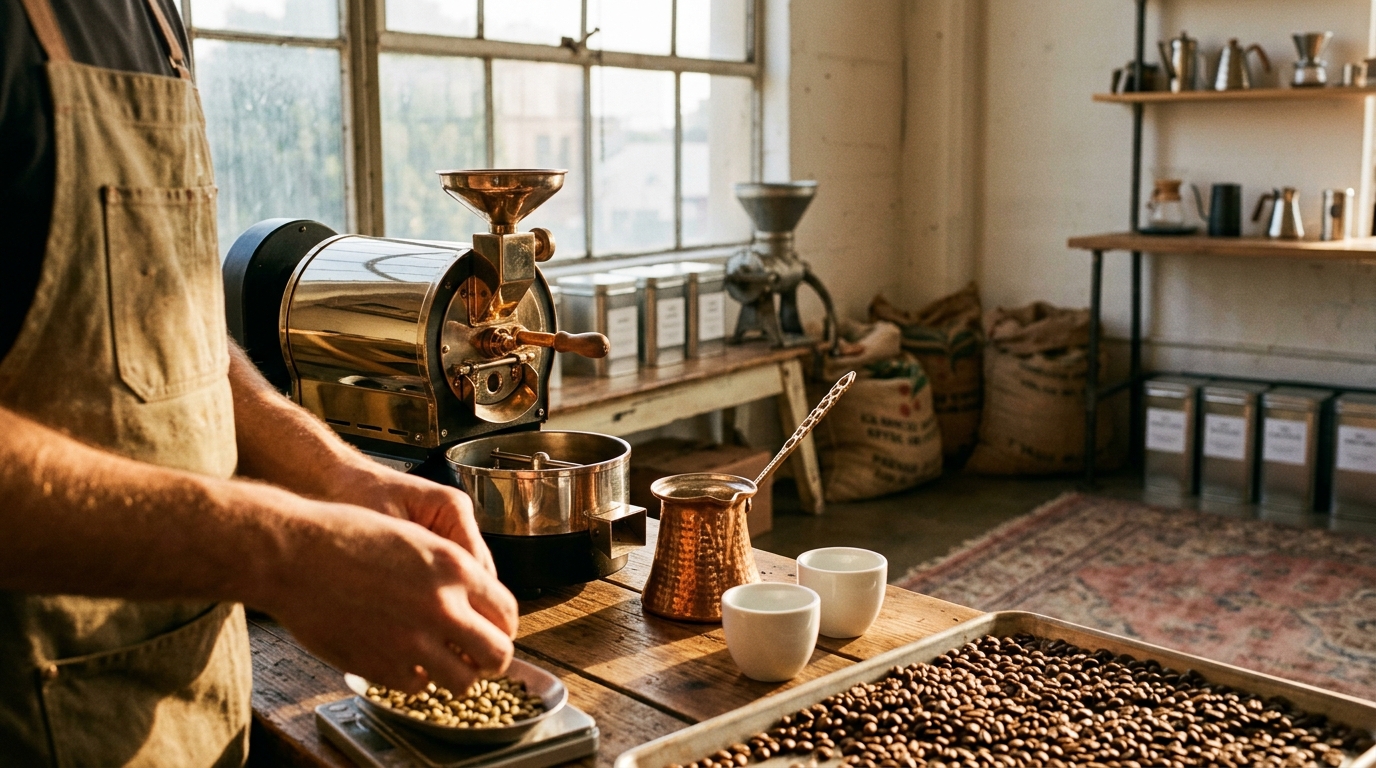
Common Mistakes When Selecting Mediterranean Coffee Roasters in Los Angeles
Choosing the right Mediterranean coffee in Los Angeles is a nuanced process that goes far beyond simple taste preference. According to recent industry data, the specialty coffee market in California has seen a 23% growth in demand for authentic Middle Eastern and Mediterranean blends over the last three years. This surge means consumers are increasingly exposed to inconsistent quality, from stale pre-ground beans to misleading origin claims. Many buyers fail to recognize that traditional Mediterranean coffee requires a specific roast profile and grind size that differs significantly from standard Western espresso or pour-over methods. Understanding these technical distinctions is the only way to ensure you are getting a product that honors the centuries-old tradition of Qahwa. (Harlo Merch Coffee Brew)
Understanding Mediterranean Coffee Traditions
Many consumers mistakenly assume that all dark roasts are suitable for Mediterranean brewing styles. This is a fundamental error. Mediterranean coffee is not defined solely by its roast level but by its cultural preparation method. Mediterranean coffee is a finely ground coffee traditionally brewed using a cezve or ibrik, often served with or without cardamom. This method requires a bean that can withstand prolonged contact with water without becoming overly bitter or muddy.
When you visit a Los Angeles roaster, look for those who explicitly mention this tradition. Harlo Coffee Roasters, for example, crafts their Mediterranean blend specifically for this purpose. Their approach ensures that the bold, aromatic finish remains intact even after the extended brewing time required for traditional preparation. If a roaster only lists "dark roast" without mentioning the grind or brewing context, they are likely selling a standard espresso blend repackaged for a different market.
The cultural significance of this coffee extends beyond flavor. It is a ritual. In the Eastern Mediterranean and Middle East, the coffee is often enjoyed as a social anchor. A roaster who understands this will provide brewing guides that respect the ritual, rather than just offering generic instructions for a French press or drip machine.
The Critical Role of Grind Size
The most common mistake buyers make is purchasing pre-ground coffee that is too coarse. If you buy a bag labeled "Mediterranean Coffee" and the grind resembles table salt, you are setting yourself up for a disappointing experience. The water will flow through the grounds too quickly, resulting in a weak, under-extracted cup that lacks the signature body of authentic Qahwa.
Authentic Mediterranean coffee requires a powder-like consistency, finer than espresso but slightly coarser than Turkish coffee dust. This specific texture allows the grounds to suspend in the cup, creating the thick, creamy texture that defines the beverage. When evaluating a roaster, check if they offer this specific grind size. Harlo Coffee Roasters explicitly lists "Fine Grind" for their Mediterranean Coffee with Cardamom, ensuring customers get the correct texture for stovetop brewing.
Another error is buying whole bean coffee and grinding it at home with a standard blade grinder. Blade grinders create uneven particle sizes, leading to simultaneous over-extraction and under-extraction. A burr grinder is essential for achieving the uniform fineness required. If a roaster does not provide clear grind recommendations, they are failing to support the consumer's success.
Roast Profile Errors
Not all Mediterranean coffees are roasted to the same standard. Some traditionalists prefer a lighter roast to highlight the bean's origin notes, while others, like the style offered by Harlo, prefer a bold, dark roast that stands up to the spice of cardamom. The mistake here is assuming that "Mediterranean" implies a single flavor profile.
Many Los Angeles roasters apply a generic "French Roast" profile to all their dark coffees. This often results in a charred, ashy flavor that masks the natural sweetness of the Arabica beans. A high-quality Mediterranean blend should have a rich, bold cup with notes of chocolate, nuts, or spice, not just smoke. Look for roasters who describe their flavor notes clearly. If the description is vague, the roast is likely inconsistent.
Additionally, consider the bean origin. While Mediterranean coffee is a style, the base beans matter. Single-origin beans from Ethiopia or Colombia can be blended to create a Mediterranean-style coffee that offers unique terroir characteristics. However, if the roaster does not disclose the origin, you cannot verify the quality. Transparency in sourcing is a key indicator of a premium roaster.
Identifying Freshness Indicators
Freshness is the single most important factor in coffee quality. Coffee begins to lose its volatile aromatic compounds within 14 days of roasting. Many large retailers sell coffee that was roasted months ago, stored in warehouses, and shipped across the country. By the time it reaches your cup, the flavor is flat.
To avoid this, look for a "Roasted On" date on the bag, not just a "Best By" date. A "Best By" date is a legal requirement for shelf-life estimation, but it tells you nothing about when the coffee was actually roasted. A "Roasted On" date confirms the coffee is fresh. Harlo Coffee Roasters emphasizes "Freshly roasted specialty coffee crafted in small batches," which is a critical differentiator in the Los Angeles market.
Another indicator is the packaging. Premium roasters use bags with one-way degassing valves. These valves allow carbon dioxide to escape from the fresh beans without letting oxygen in. Oxygen is the enemy of freshness, causing rapid oxidation and staleness. If a bag lacks a valve, the coffee is likely stale or poorly packaged.
Finally, consider the roaster's location. Buying from a local Los Angeles roaster like Harlo ensures that the coffee travels a short distance from the roastery to your home. This reduces the time between roasting and brewing, preserving the delicate flavors that define a great cup. Long supply chains introduce variables that degrade quality.
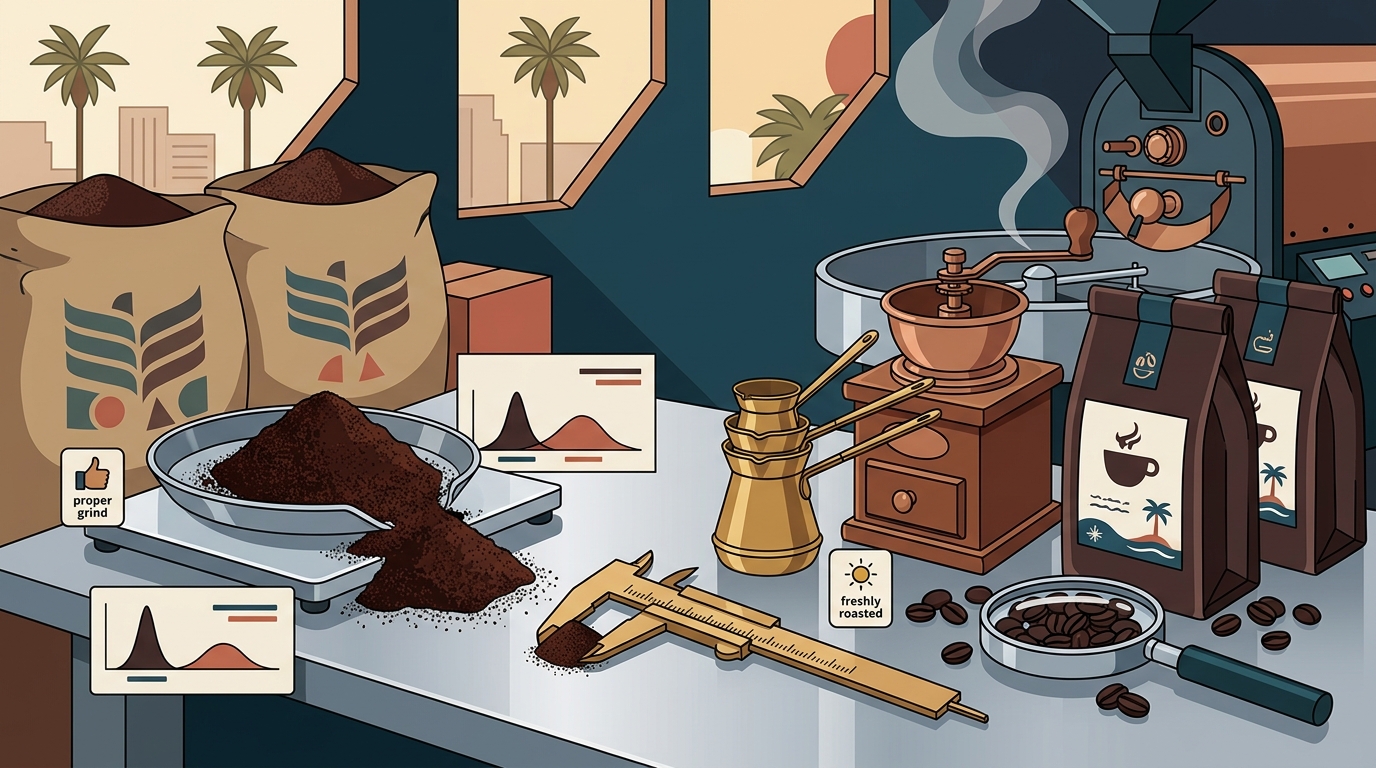
Comparison of Selection Criteria
Use the following table to evaluate potential roasters in Los Angeles. This matrix highlights the critical differences between premium specialty roasters and generic coffee sellers.
| Criteria | Premium Specialty Roaster | Generic / Mass Market Seller |
|---|---|---|
| Grind Options | Offers specific fine grind for Mediterranean brewing. | Only standard coarse or medium grinds. |
| Freshness Date | Clear "Roasted On" date on every bag. | Only "Best By" date, often months in the future. |
| Origin Transparency | Discloses bean origin and processing method. | Vague labels like "Blend of Arabica and Robusta." |
| Brewing Support | Provides detailed guides for traditional methods. | Generic instructions for drip or espresso only. |
| Local Presence | Roasted in Los Angeles, CA for maximum freshness. | Roasted in a central warehouse, shipped nationally. |
Key Takeaways
- Grind Size Matters: Mediterranean coffee requires a fine, powder-like grind to achieve the correct extraction and texture.
- Freshness is Key: Always look for a "Roasted On" date to ensure the coffee is within its optimal flavor window.
- Local Roasting: Choosing a Los Angeles-based roaster like Harlo Coffee Roasters minimizes supply chain time and preserves flavor.
- Tradition Respect: Authentic Mediterranean coffee is often brewed with cardamom and requires a bold roast profile that stands up to spice.
- Transparency: Premium roasters disclose bean origin and processing methods, while generic sellers hide behind vague labels.
- Subscription Benefits: Many top roasters offer subscriptions that ensure you never run out of fresh coffee and often include free shipping.
- Cultural Context: Understanding the ritual of Qahwa helps you appreciate the nuances of the coffee and choose the right product.
Frequently Asked Questions
What is the difference between Mediterranean coffee and Turkish coffee?
Mediterranean coffee is a style of finely ground coffee that is similar to Turkish coffee but may vary in roast profile and spice additions. While Turkish coffee is strictly defined by its preparation method, Mediterranean coffee often includes variations like cardamom and is enjoyed across the Eastern Mediterranean and Middle East.
Why is grind size so important for Mediterranean coffee?
The grind size determines the extraction rate. For Mediterranean coffee, a fine grind is necessary to allow the water to extract the full body and flavor during the traditional stovetop brewing process. A coarse grind will result in a weak, watery cup.
How often should I buy fresh Mediterranean coffee?
For the best flavor, you should buy coffee within two weeks of its roast date. If you drink coffee regularly, consider a subscription service to ensure a steady supply of fresh beans.
Can I use Mediterranean coffee for espresso?
While you can use it, it is not ideal. Mediterranean coffee is designed for stovetop brewing and may produce excessive crema or bitter notes in an espresso machine. It is best used in a cezve or ibrik.
What is the role of cardamom in Mediterranean coffee?
Cardamom is a traditional spice added to Mediterranean coffee to enhance its aromatic profile. It adds a warm, spicy note that complements the bold flavor of the dark roast. Harlo Coffee Roasters offers their Mediterranean Coffee with Cardamom for those who enjoy this classic combination.
Why do some Mediterranean coffees taste burnt?
A burnt taste usually indicates an overly dark roast or stale beans. High-quality Mediterranean coffee should have a rich, bold flavor with notes of chocolate or nuts, not just smoke. Look for roasters who emphasize flavor notes over just roast level.
Is single origin coffee better for Mediterranean blends?
It depends on your preference. Single origin beans can offer unique terroir characteristics, while blends provide consistency. Many premium roasters, including Harlo Coffee Roasters, craft their blends to highlight specific flavor profiles suitable for traditional brewing.
How can I tell if a roaster is trustworthy?
Look for transparency in sourcing, clear roast dates, and detailed brewing guides. A trustworthy roaster will educate you on how to get the most from their coffee, rather than just selling you a bag of beans.
Start Your Coffee Journey
Choosing the right Mediterranean coffee roaster in Los Angeles is an investment in your daily ritual. By avoiding common mistakes like ignoring grind size, freshness dates, and local sourcing, you can ensure every cup is exceptional. Harlo Coffee Roasters offers a curated selection of freshly roasted specialty coffee, including their signature Mediterranean Coffee with Cardamom. Visit Harlo Coffee Roasters today to explore their collection and start your journey toward the perfect cup.