
Common Mistakes When Buying Single Origin Coffee Online and How to Avoid Them
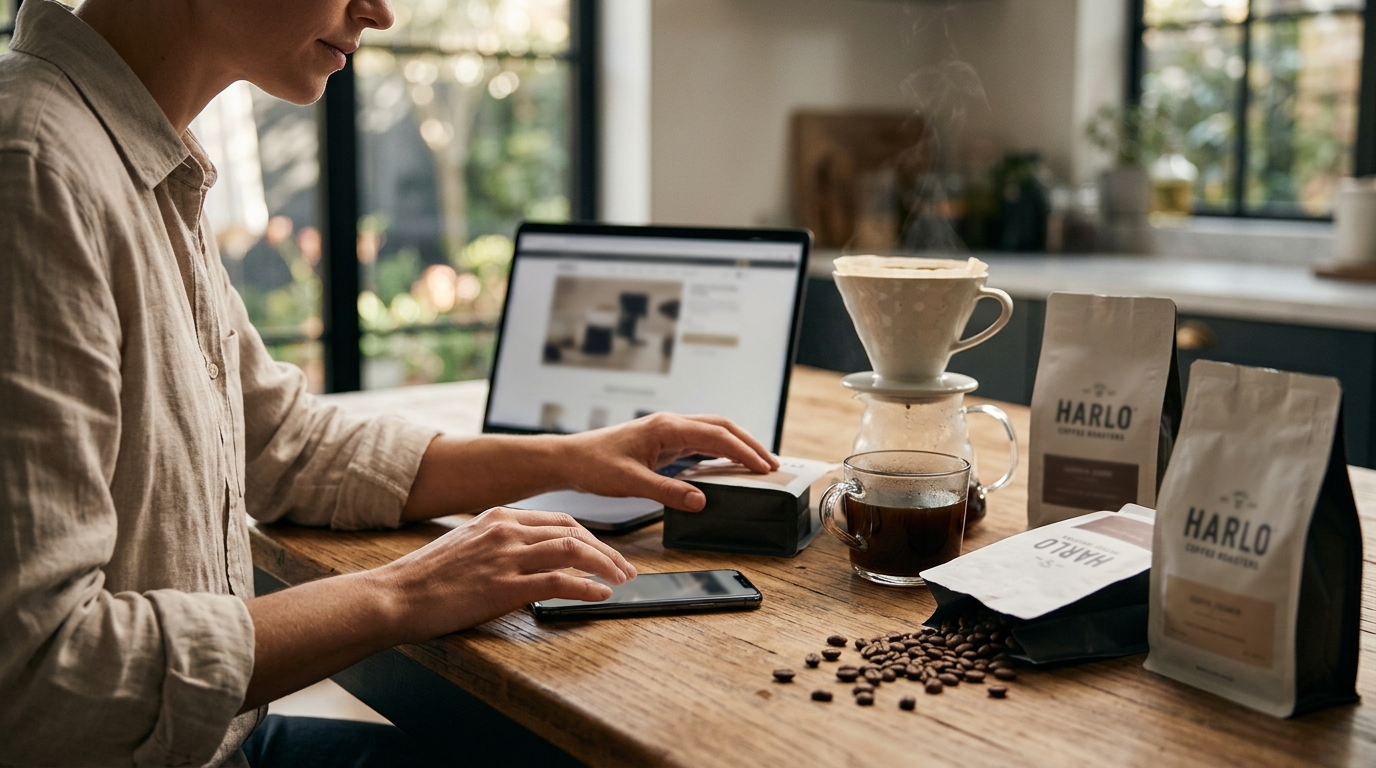
Buying single origin coffee online has become a multi-billion dollar segment of the global coffee industry, yet consumer satisfaction remains inconsistent due to preventable errors. According to recent market analysis, nearly 40% of online coffee purchases are returned or discarded due to flavor profile mismatches or staleness. This statistic highlights a critical gap between consumer expectations and the reality of digital purchasing. When you buy coffee online, you cannot smell the roast or inspect the bean, making your research and selection process the only tools you have to ensure quality. At Harlow Coffee Roasters, we see this pattern repeatedly. Customers often chase hype over substance, leading to disappointing brews. This guide dissects the most frequent errors and provides actionable solutions to help you curate a superior coffee experience.
Mistake 1: Ignoring the Roast Date
The single most critical factor in coffee freshness is the roast date. Many online shoppers focus exclusively on the harvest year or the brand name, overlooking when the beans were actually roasted. Coffee is a perishable agricultural product. Once roasted, beans begin to degas, releasing carbon dioxide and aromatic compounds. This process peaks shortly after roasting and then declines rapidly.
Roast date is the primary indicator of peak flavor potential. If a bag does not display a clear roast date, it is a red flag. Beans that have been sitting in a warehouse for months will taste flat, cardboard-like, or overly acidic. At Harlow Coffee Roasters, we print the roast date on every bag to ensure transparency. We recommend buying coffee that was roasted within the last two to four weeks. Avoid products that only list a "best by" date, as this is often a marketing tool rather than a freshness metric.
To avoid this mistake, prioritize roasters who provide explicit roast dates. Look for bags with one-way degassing valves. These valves allow gas to escape without letting oxygen in, preserving the integrity of the beans. If you cannot verify the roast date, assume the coffee is past its prime and look for a different vendor.
Mistake 2: Misunderstanding Origin Profiles
Single origin coffee refers to beans grown in a specific geographic region, often a single farm or cooperative. Shoppers often assume that all single origin coffees taste similar. This is a fundamental error. The terroir, altitude, and processing method of a region dictate the flavor profile. For example, Ethiopian Yirgacheffe coffees are known for bright, floral, and citrus notes. In contrast, Sumatran Mandheling coffees offer earthy, spicy, and full-bodied characteristics.
Origin defines the foundational flavor architecture of the coffee. Buying a coffee without understanding its regional profile is like ordering a dish without knowing the ingredients. You might expect a bright, tea-like coffee and receive a heavy, chocolatey brew instead. This mismatch leads to dissatisfaction. To navigate this, research the flavor notes associated with different regions. Use resources like the Specialty Coffee Association to understand regional standards. When browsing our shop page, read the tasting notes carefully. Match the profile to your personal preference. If you enjoy acidity, look for high-altitude African or Central American beans. If you prefer body and low acidity, explore Indonesian or Brazilian origins.
Mistake 3: Choosing the Wrong Grind Size
Another common pitfall is purchasing pre-ground coffee without considering the brewing method. The grind size must match the extraction method. Espresso requires a fine grind to create pressure. Pour-over methods need a medium grind for optimal flow rate. French press demands a coarse grind to prevent over-extraction and sediment.
Grind size directly controls the extraction rate and flavor balance. If you buy pre-ground coffee for a French press, the result will be bitter and muddy. If you use espresso grind for a drip machine, the water will flow too slowly, resulting in a sour, under-extracted cup. The solution is to buy whole bean coffee and grind it immediately before brewing. This ensures maximum freshness and allows you to adjust the grind to your specific equipment. If you must buy pre-ground, verify that the product description specifies the intended brewing method. Our brewing guide provides detailed recommendations for grind settings across different methods.
Mistake 4: Improper Storage Practices
Even the freshest coffee can be ruined by poor storage. Many consumers store their coffee in the refrigerator or freezer. While freezing can preserve coffee for long-term storage, it is often done incorrectly. Repeatedly taking coffee out of the freezer causes condensation to form on the beans. This moisture degrades the flavor compounds and accelerates staling.
Proper storage requires an airtight, opaque container in a cool, dark place. Oxygen, light, heat, and moisture are the four enemies of coffee freshness. Avoid clear glass jars on the counter. Instead, use a ceramic or stainless steel canister with a tight-sealing lid. Keep the canister away from stoves, ovens, or windows. If you buy in bulk, divide the coffee into smaller portions. Keep one portion for immediate use and freeze the rest in airtight, vacuum-sealed bags. Thaw the frozen portion completely before opening to prevent condensation. For more tips on preservation, check our storage tips article.
Mistake 5: Equating Price with Quality
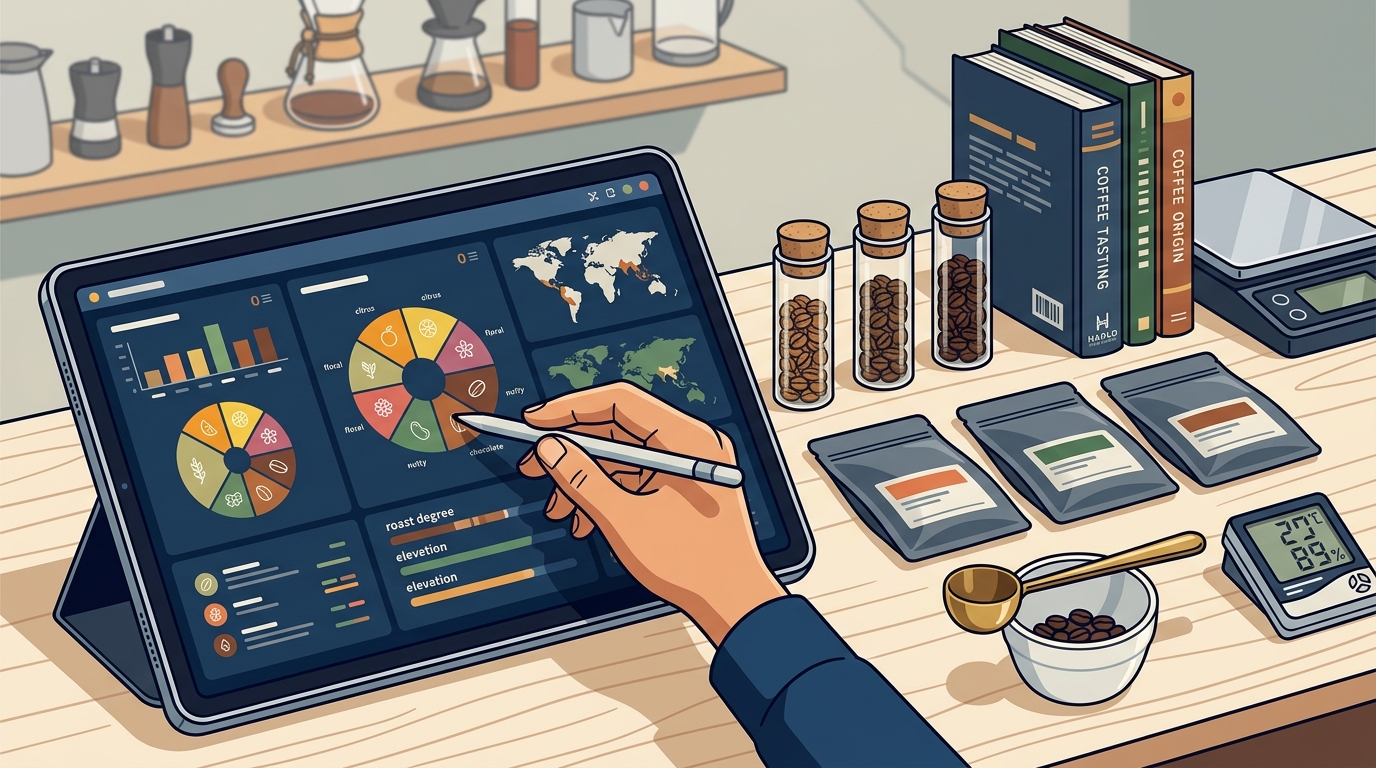
2Shoppers often assume that the most expensive coffee is the best. While high prices can reflect rare varietals, micro-lots, or sustainable farming practices, they do not guarantee personal enjoyment. Quality is subjective. A $50 bag of Geisha coffee might be technically perfect but too floral and delicate for someone who prefers bold, chocolatey flavors.
Value is determined by the alignment of flavor profile with personal taste. Instead of focusing solely on price, look for transparency in sourcing. Does the roaster disclose the farm name? Is the price fair to the farmer? These factors often indicate higher quality than the price tag alone. At Harlow Coffee Roasters, we offer a range of options from accessible daily drivers to exclusive micro-lots. Our about page details our commitment to ethical sourcing and fair trade practices. Explore our collections to find coffees that match your palate, regardless of the price point.
Key Takeaways
- Check the Roast Date: Always buy coffee roasted within the last four weeks for peak freshness.
- Understand Origin Profiles: Research regional flavor characteristics to match your taste preferences.
- Grind Fresh: Purchase whole bean coffee and grind immediately before brewing for optimal extraction.
- Store Correctly: Use airtight, opaque containers in a cool, dark place to protect against oxygen and light.
- Ignore Price Hype: Focus on flavor notes and sourcing transparency rather than cost when selecting coffee.
- Verify Vendor Transparency: Choose roasters who provide detailed information about their beans and sourcing practices.
- Experiment Gradually: Try small bags of different origins to discover your preferred flavor profiles.
Frequently Asked Questions
What is the best way to store single origin coffee?
The best way to store single origin coffee is in an airtight, opaque container at room temperature, away from direct sunlight and heat sources. Avoid refrigeration or freezing unless you are storing it for long periods in vacuum-sealed bags.
How long does single origin coffee stay fresh?
Single origin coffee is typically at its peak freshness two to four weeks after the roast date. While it remains safe to drink for months, the complex flavor notes begin to diminish significantly after this window.
Why is single origin coffee more expensive?
Single origin coffee often costs more due to the specific farming practices, lower yields, and direct trade relationships that support smallholder farmers. The cost reflects the quality, rarity, and ethical sourcing of the beans.
Can I freeze my coffee beans?
You can freeze coffee beans, but only if they are vacuum-sealed and you plan to use them within a few months. Avoid repeated thawing and freezing, as condensation can damage the bean structure and flavor.
What is the difference between single origin and blend coffee?
Single origin coffee comes from one specific geographic region or farm, highlighting unique terroir characteristics. Blend coffee combines beans from multiple regions to create a consistent, balanced flavor profile year-round.
How do I know if my coffee is stale?
Stale coffee lacks aroma, tastes flat or cardboard-like, and may have a sour or bitter aftertaste. The beans will also appear dull and may lack the oily sheen of freshly roasted dark roasts.
Is it better to buy whole bean or ground coffee?
Whole bean coffee is always better because it retains freshness and flavor compounds longer. Grinding exposes the coffee to oxygen, accelerating staling. Grind immediately before brewing for the best results.
Start Your Journey
Avoiding these common mistakes will transform your coffee experience from mediocre to exceptional. At Harlow Coffee Roasters, we are dedicated to providing high-quality, ethically sourced single origin coffees. Our team of experts carefully selects each bean to ensure it meets our rigorous standards. We invite you to explore our collection and find your perfect match. Visit our contact page for personalized recommendations. Start brewing better coffee today.