
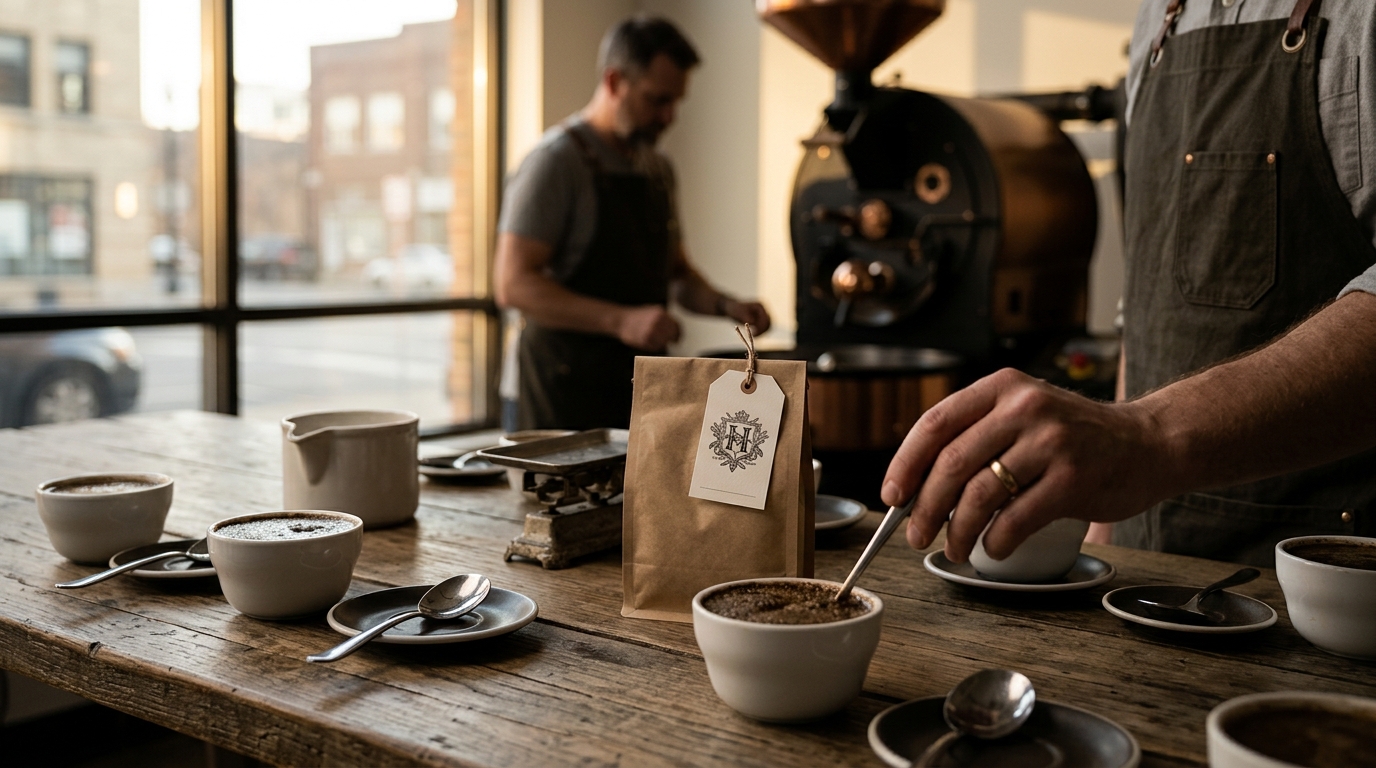
The global coffee industry is valued at over $400 billion, yet the segment classified as specialty coffee represents a distinct tier of quality and economic value. According to the Specialty Coffee Association, specialty coffee is defined by a rigorous scoring system that prioritizes origin integrity and processing precision. This distinction separates commodity beans from the exceptional single origins and small-batch blends that define the modern premium market. Understanding these metrics is essential for consumers who view their morning ritual as a daily investment in flavor and wellness. (Harlo Merch Coffee Brew)
Defining Premium Coffee Standards
Premium coffee is not merely a marketing label. It is a technical classification based on agricultural and processing excellence. The term specialty coffee is a classification for green coffee beans that score 80 points or higher on a 100-point scale. This scoring is conducted by certified Q Graders who evaluate aroma, flavor, aftertaste, acidity, body, and uniformity.
Commodity coffee, which makes up the majority of the market, often contains defects and lacks the complex flavor profiles found in high-grade beans. Premium roasters like Harlo Coffee Roasters source exclusively from producers who meet these strict agricultural standards. This ensures that every bag delivered to your door contains beans with distinct terroir characteristics.
The difference in quality is evident in the cup. High-scoring beans exhibit clarity of flavor, meaning you can identify specific notes such as citrus, chocolate, or floral hints. Lower-grade beans often taste flat or burnt because they are roasted to mask defects rather than highlight natural sweetness.
Single Origin vs. Mediterranean Blends
At the heart of the premium coffee experience is the choice between single origin coffees and curated blends. Each category offers a unique pathway to flavor discovery.
The Case for Single Origin
Single origin coffee is coffee grown in a specific geographic region, often on a single farm or in a specific valley. This transparency allows the drinker to taste the exact influence of soil, altitude, and climate. For example, Ethiopian single origin coffees are renowned for their bright acidity and floral notes, while Indonesian varieties offer earthy, full-bodied profiles.
When you choose a single origin, you are engaging with the harvest. The flavor profile changes slightly with each harvest season, reflecting the natural variability of agriculture. This is a hallmark of true premium coffee, where nature dictates the final taste.
The Art of the Blend
Conversely, a coffee blend is a deliberate combination of beans from different origins. The goal is consistency and complexity. Harlo Coffee Roasters crafts its Mediterranean coffee collection to honor traditional Eastern and Middle Eastern rituals. This finely ground coffee is designed for stovetop preparation and often includes cardamom for an aromatic finish.
Blends allow roasters to balance acidity with body. A well-crafted blend ensures that the coffee tastes the same every day, regardless of seasonal bean availability. This reliability is crucial for daily drinkers who rely on their morning cup for a consistent experience.
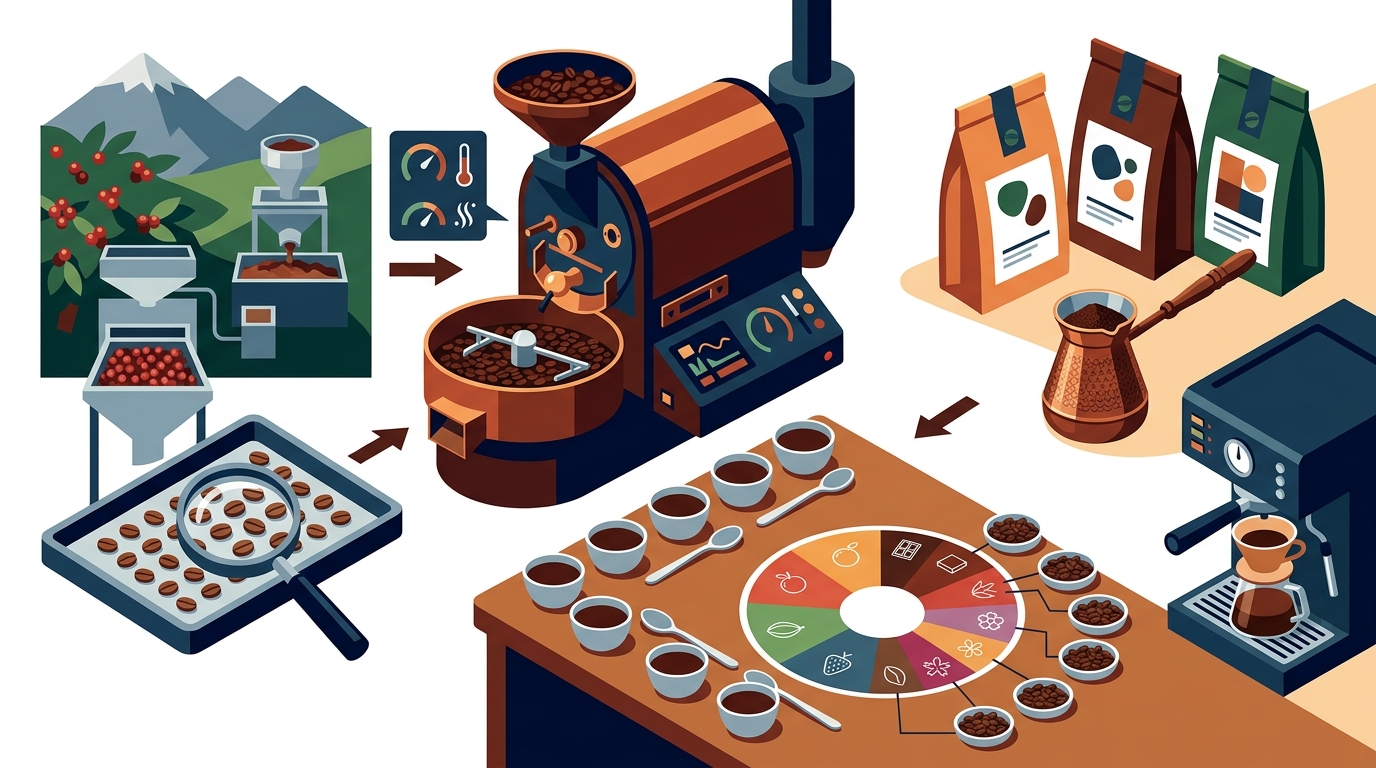
The Science of Small-Batch Roasting
Roasting is the process that unlocks the flavor potential of the green bean. However, the method of roasting determines whether that potential is realized or destroyed. Large commercial roasters often use continuous roasters that process hundreds of pounds at once. This method prioritizes speed over precision.
Premium roasters utilize small-batch roasting techniques. This approach allows the roaster to monitor the bean's development in real-time. By adjusting heat and airflow for each specific lot of beans, the roaster can preserve delicate flavor compounds that are typically lost in high-volume production.
Harlo Coffee Roasters roasts in Los Angeles, ensuring that the coffee is fresh when it ships. Freshness is the most critical variable in coffee quality. Beans begin to lose volatile aromatic compounds within days of roasting. By roasting to order and shipping quickly, Harlo ensures that the consumer receives coffee at its peak flavor window.
Brewing Methods for Maximum Extraction
Even the highest quality beans will produce a mediocre cup if brewed incorrectly. The grind size, water temperature, and extraction time must be calibrated to the specific coffee and brewing method.
Pour Over Precision
Pour over brewing is a manual method that gives the drinker complete control over the extraction process. It requires a medium-fine grind and water heated to approximately 200 degrees Fahrenheit. The slow, controlled pour allows for a clean, bright cup that highlights the nuanced flavors of single origin beans.
Espresso and Pressure
Espresso relies on pressure to extract flavor in a short time. This method demands a fine grind and a precise dose. If the grind is too coarse, the water flows too quickly, resulting in a sour, under-extracted shot. If the grind is too fine, the water cannot pass through, leading to a bitter, over-extracted result. Dialing in your espresso is a continuous process of adjustment.
Mediterranean and Turkish Styles
The Mediterranean coffee tradition requires a very fine, powder-like grind. This coffee is brewed in a cezve or ibrik, a small pot with a long handle. The water is heated slowly, allowing the grounds to bloom and rise multiple times without boiling. This method creates a thick, aromatic foam and a intense, full-bodied flavor that is distinct from Western brewing styles.
Ethical Sourcing and Community Impact
Premium coffee is inextricably linked to ethical sourcing. The farmers who grow these high-scoring beans often work in challenging economic conditions. Paying fair prices ensures that they can sustain their livelihoods and invest in their communities.
Harlo Coffee Roasters integrates social responsibility into its business model. Every order contributes to the Palestine Children’s Relief Fund (PCRF). This initiative provides urgent medical care and humanitarian support for children in Palestine. This commitment demonstrates that premium quality and social impact are not mutually exclusive.
When you buy specialty coffee, you are supporting a supply chain that values transparency. You are ensuring that the farmers who cultivated the beans are compensated fairly for their labor and expertise. This ethical framework is a defining characteristic of the modern premium coffee market.
Key Takeaways
- Specialty Score: Premium coffee must score 80 points or higher on the SCA scale.
- Single Origin: Beans from one region highlight specific terroir and seasonal variations.
- Small-Batch Roasting: Roasting in small quantities preserves delicate flavor compounds lost in mass production.
- Freshness: Roasting to order and shipping quickly is critical for peak flavor.
- Brewing Control: Grind size and water temperature must match the brewing method for optimal extraction.
- Ethical Impact: Premium coffee supports fair wages and social initiatives like the PCRF.
- Mediterranean Tradition: Finely ground coffee with cardamom offers a rich, aromatic ritual.
Frequently Asked Questions
What is the difference between specialty coffee and premium coffee?
Specialty coffee is a technical classification based on a 80-point scoring system. Premium coffee is a broader term that often overlaps with specialty but can also refer to high-quality commodity blends. All specialty coffee is premium, but not all premium coffee meets the strict specialty standards.
Why does Harlo Coffee Roasters roast in small batches?
Small-batch roasting allows for greater control over the development of each bean. This precision ensures that the unique flavor notes of the origin are preserved. It also guarantees that the coffee is fresh when it reaches the customer.
How should I store my premium coffee?
Store coffee in an airtight container away from light, heat, and moisture. Do not refrigerate or freeze coffee unless you are storing it for long-term preservation in a vacuum-sealed bag. Room temperature storage is ideal for daily use.
What is Mediterranean coffee?
Mediterranean coffee is a style of coffee inspired by traditions in the Eastern Mediterranean and Middle East. It is typically finely ground and brewed with cardamom in a special pot. The result is a bold, aromatic cup with a thick foam.
Does Harlo Coffee Roasters support charitable causes?
Yes. Harlo contributes to the Palestine Children’s Relief Fund (PCRF) with every purchase. This support helps provide medical care and humanitarian aid to children in need.
What is the best grind size for pour over coffee?
A medium-fine grind is generally best for pour over methods. This size allows water to flow through at the correct rate, extracting the right balance of flavors. Adjust slightly finer or coarser based on your taste preference.
Why is single origin coffee more expensive?
Single origin coffee is often more expensive because it comes from specific farms that produce high-scoring beans. The cost reflects the labor, land, and processing methods required to achieve specialty grade quality.
Start Your Premium Routine
Transform your daily coffee ritual into a moment of exceptional quality. Explore the Best Selling Coffee collection to find your new favorite. Discover the depth of Single Origin beans or embrace the tradition of Mediterranean Coffee. Set up a subscription to ensure you never miss a fresh roast. Visit Harlo Coffee Roasters today to elevate your morning.