
How to Choose the Best Single Origin Coffee for Your Taste Preferences and Brewing Method
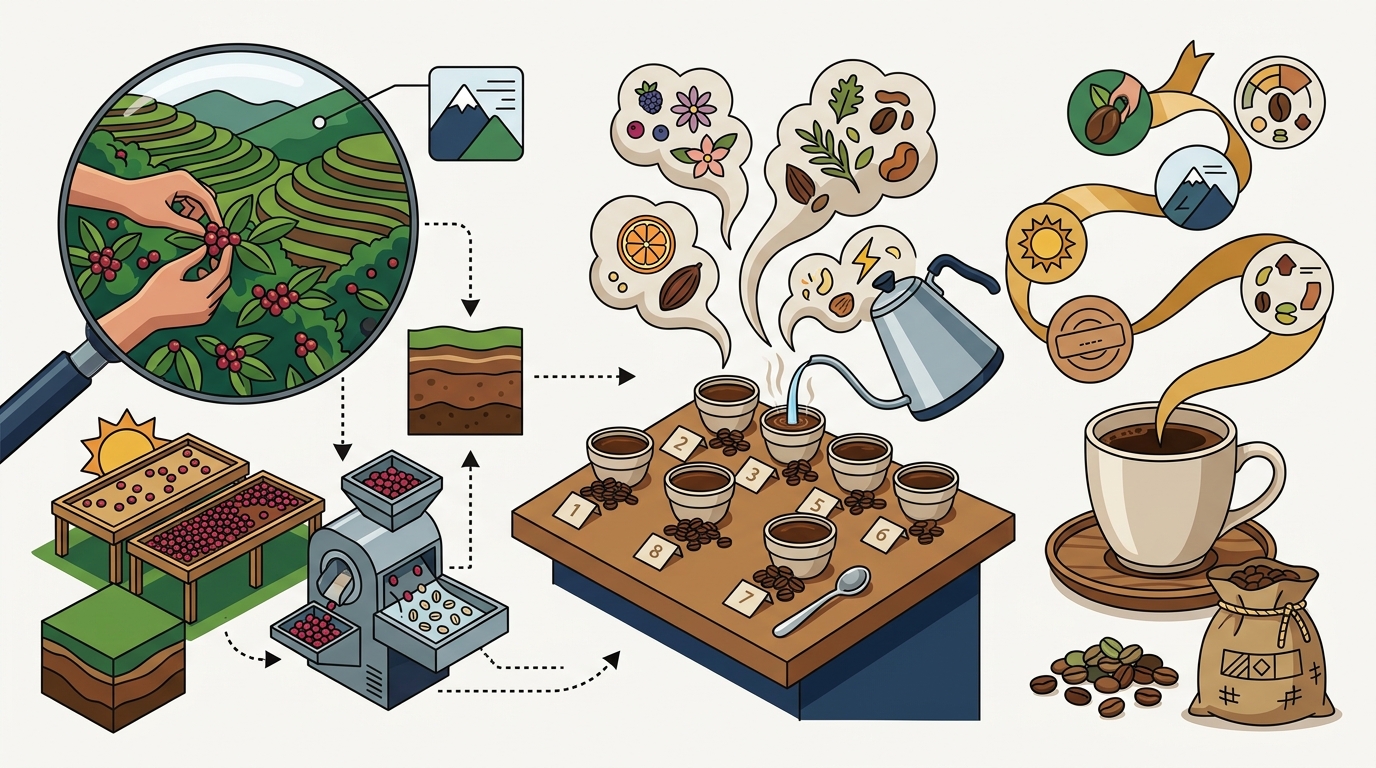
Single origin coffee is more than a place on a bag. It is a direct connection to the specific geography, altitude, and processing methods that shape the flavors in your cup. According to recent industry data, the global specialty coffee market has seen a steady growth trajectory over the last decade, driven by consumers seeking transparency and unique flavor profiles over generic blends. When you choose a single origin, you are choosing a story that begins with the soil and ends in your mug. This guide will help you navigate the complex world of terroir, roast profiles, and brewing techniques to find your perfect match.
Understanding Single Origin Coffee
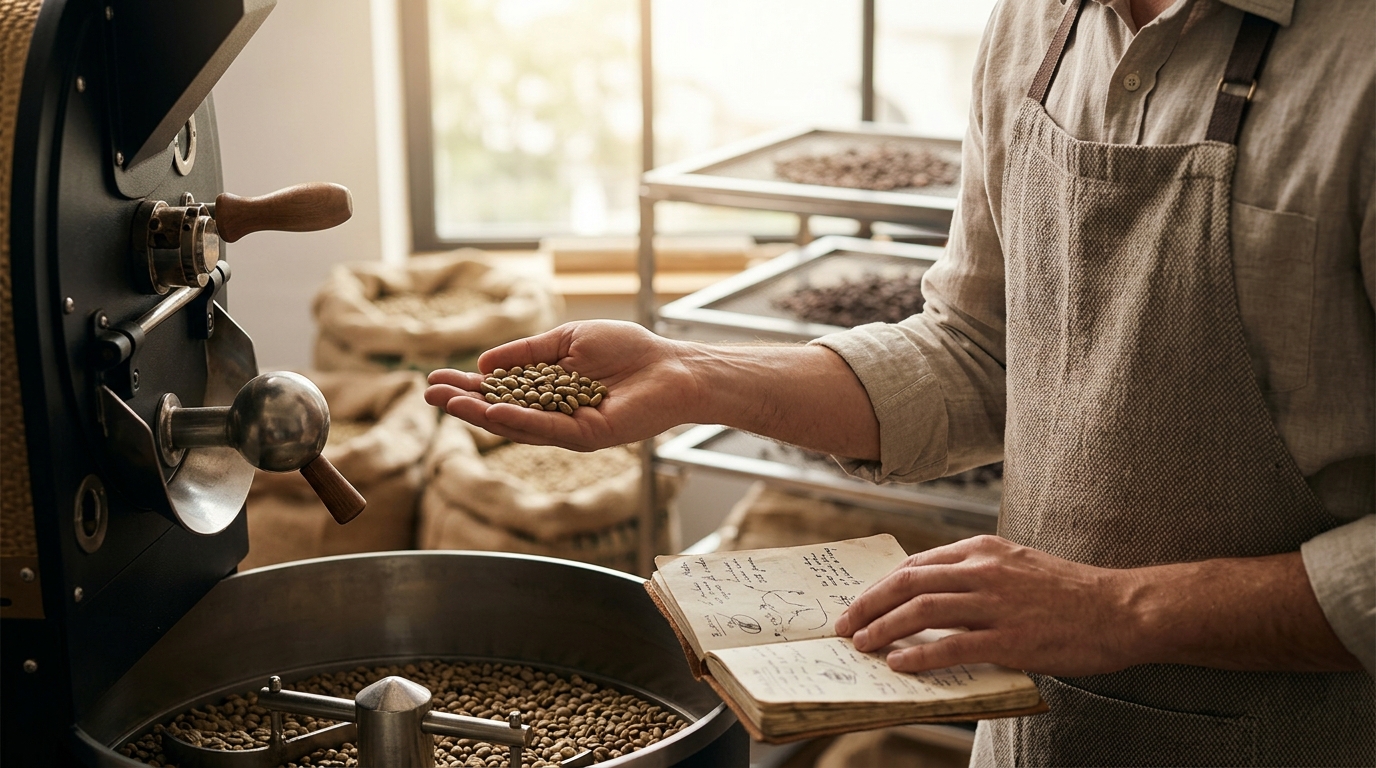
Single origin coffee is defined as coffee that comes from one specific geographic region, farm, or even a single estate. This contrasts with blended coffee, which mixes beans from multiple countries to create a consistent, standardized flavor profile. At Harlo Coffee Roasters, we believe that the first cup of the day deserves exceptional coffee. That means sourcing beans that highlight the unique character of their origin.
When you buy single origin, you are supporting specific producers and their agricultural practices. This transparency allows you to understand the journey of your coffee. From the altitude where the cherries grow to the method used to dry them, every factor influences the final taste. Specialty coffee changes that old notion of coffee being merely bitter or burnt. It opens a door to fruity, floral, and complex notes that many people never knew existed.
Harlo Coffee Roasters sources specialty-grade coffee from trusted producers around the world. We roast in small batches in Los Angeles to ensure freshness. This approach allows us to maintain the integrity of each bean's unique flavor profile. Whether you are interested in Ethiopian single origin coffee or Indonesian varieties, understanding the origin is the first step to mastering your palate.
Taste Profiles by Region
Different regions produce coffee with distinct flavor signatures. These signatures are determined by the climate, soil composition, and elevation of the growing region. Here is a breakdown of what to expect from the most popular single origin categories.
Ethiopian Coffee
Ethiopian coffee is often described as the birthplace of coffee. Beans from this region are known for their bright acidity and complex floral notes. You might detect hints of jasmine, bergamot, or stone fruit. Ethiopian coffees are typically processed using the washed method, which results in a cleaner, more tea-like body. This makes them an excellent choice for pour-over brewing, where clarity of flavor is paramount.
Colombian Single Origin
Colombian coffee is renowned for its balanced profile. It offers a medium body with notes of caramel, nuts, and red fruit. The high altitude in Colombian growing regions contributes to a dense bean structure, which allows for a slower, more even roast. This balance makes Colombian beans versatile. They work well in almost any brewing method, from French press to espresso.
Indonesian Single Origin
Indonesian coffee, particularly from regions like Sumatra or Java, is known for its earthy, full-bodied character. These beans often have low acidity and notes of dark chocolate, cedar, or spice. The wet-hulling process used in Indonesia gives the coffee its distinctive heavy body. If you prefer a bold, robust cup that stands up to milk or sugar, Indonesian single origin coffee is an ideal candidate.
Peruvian and Other Origins
Peruvian coffee is gaining popularity for its clean, sweet profile. It often features notes of chocolate and citrus with a smooth finish. Peru's diverse microclimates allow for a wide range of flavor possibilities. Decaf options from Peru are also available, offering the same quality without the caffeine. This is perfect for those who want the flavor experience without the stimulant.
Matching Brew Method to Bean
Your brewing method acts as a filter for the coffee's flavors. Some methods highlight acidity and fruitiness, while others emphasize body and sweetness. Choosing the right bean for your brewer is crucial for a satisfying cup.
Pour Over
Pour over brewing is a manual method that gives you complete control over water temperature and flow rate. This method is best suited for light to medium roast single origin coffees. The clarity of the brew allows the delicate floral and fruity notes of Ethiopian or Kenyan beans to shine. At Harlo, our Brew Guides provide step-by-step instructions to help you master this technique.
Espresso
Espresso requires a finer grind and higher pressure to extract flavors quickly. Medium to dark roast beans work best here. They provide the necessary solubility and crema. While blends are traditionally used for espresso, single origin beans can create unique, complex shots. A Brazilian or Indonesian single origin can add depth and chocolate notes to your espresso routine. If your espresso tastes sour, it is usually under-extraction, not bad beans. Adjusting your grind size can fix this.
French Press
The French press is an immersion method that allows coffee grounds to steep in water. This results in a full-bodied cup with more oils and sediment. Heavy-bodied beans from Indonesia or Sumatra are perfect for this method. The immersion process extracts more of the bean's natural oils, enhancing the earthy and spicy notes. This is a great way to enjoy the robust character of Indonesian single origin coffee.
Mediterranean Coffee
Mediterranean coffee is a finely ground coffee crafted for a rich, bold cup. It is enjoyed traditionally or with cardamom for an authentic coffee ritual. This style is inspired by generations of Mediterranean coffee tradition. Our Mediterranean Coffee collection is roasted fresh in Los Angeles. It is ready for stovetop or traditional brewing methods. The fine grind ensures a strong, aromatic finish that is distinct from Western-style brews.
The Roast Level Guide
The roast level significantly impacts the flavor of single origin coffee. Light roasts preserve the bean's original characteristics, while dark roasts introduce roast-driven flavors.
Light roasts are ideal for highlighting the terroir of the coffee. They retain more acidity and complex fruity notes. If you are drinking Ethiopian single origin coffee, a light roast will showcase its floral and citrus attributes. Medium roasts offer a balance between origin character and roast flavor. They are versatile and work well with most brewing methods. Dark roasts bring out chocolate, nutty, and smoky notes. They mask some of the origin's unique flavors but provide a bold, consistent taste.
At Harlo Coffee Roasters, we roast to order. This ensures that you receive coffee at its peak freshness. We never settle for shortcuts. Our Best Sellers include a variety of roast levels to suit different preferences. Whether you prefer the brightness of a light roast or the depth of a dark roast, we have a coffee for you.
Origin Comparison Table
The table below summarizes the key characteristics of popular single origin coffees to help you make an informed decision.
| Origin | Flavor Profile | Body | Best Brew Method | Acidity |
|---|---|---|---|---|
| Ethiopian | Floral, Citrus, Berry | Light to Medium | Pour Over | High |
| Colombian | Caramel, Nut, Red Fruit | Medium | Any | Medium |
| Indonesian | Earthy, Chocolate, Spice | Full | French Press | Low |
| Peruvian | Chocolate, Citrus, Sweet | Medium | Drip / Pour Over | Medium |
Key Takeaways
- Single Origin Transparency: Single origin coffee is defined as coffee that comes from one specific geographic region, farm, or estate, offering a direct link to the producer.
- Ethiopian Complexity: Ethiopian coffee is known for its bright acidity and floral notes, making it ideal for pour-over brewing.
- Indonesian Boldness: Indonesian single origin coffee features a full body and earthy flavors, perfect for French press.
- Roast Freshness: Harlo Coffee Roasters roasts in small batches in Los Angeles to ensure peak freshness and flavor integrity.
- Mediterranean Tradition: Our Mediterranean coffee is finely ground and inspired by traditional Turkish coffee methods, available with or without cardamom.
- Brewing Control: Matching your brew method to the bean's origin character enhances the specific flavors you enjoy.
- Subscription Benefits: Subscribing to Harlo Coffee ensures you never miss your morning cup and saves you on every order.
Frequently Asked Questions
What is the difference between single origin and blended coffee?
Single origin coffee comes from one specific geographic region or farm, highlighting unique terroir flavors. Blended coffee mixes beans from multiple regions to create a consistent, standardized taste profile.
How does altitude affect coffee flavor?
Higher altitude coffee grows slower, resulting in denser beans with more complex acidity and flavor development. This is why high-grown Ethiopian and Colombian coffees are so prized.
Can I use single origin coffee for espresso?
Yes, single origin coffee can be used for espresso. Medium to dark roasts from Brazil or Indonesia work particularly well, offering chocolate and nutty notes that complement the espresso extraction.
Why does my espresso taste sour?
Sour espresso is usually under-extraction, not bad beans. This can be fixed by adjusting your grind size to be finer or increasing your water temperature slightly.
What is Mediterranean coffee?
Mediterranean coffee is a finely ground coffee crafted for a rich, bold cup. It is enjoyed traditionally or with cardamom for an authentic coffee ritual, inspired by generations of Mediterranean coffee tradition.
How often should I grind my coffee?
You should grind your coffee immediately before brewing. Pre-ground coffee loses its aromatic compounds rapidly, leading to a stale and flat taste. Fresh grinding preserves the essential oils and flavors.
Does Harlo Coffee offer decaf single origin?
Yes, Harlo Coffee Roasters offers Peru Decaf Single Origin Coffee. This option provides the same clean, sweet flavor profile as the caffeinated version, but without the caffeine.
What is the best way to store single origin coffee?
Store your coffee in an airtight container in a cool, dark place. Avoid refrigeration or freezing, as moisture and temperature fluctuations can degrade the flavor. Use the coffee within a few weeks of opening for the best experience.
Shop the Collection
Ready to elevate your morning routine? Explore our curated selection of freshly roasted single origin coffees. From the floral notes of Ethiopia to the bold earthiness of Indonesia, we have a coffee that matches your taste. Visit our Single Origin Collection to find your new favorite. You can also explore our Mediterranean Coffee for a traditional experience. Start your subscription today and enjoy free shipping on all subscriptions. Every order makes an impact, as Harlo contributes to the Palestine Children’s Relief Fund.